Parker House Rolls: Buttery, Folded, Impossible to Resist
Published: Jan 15, 2025
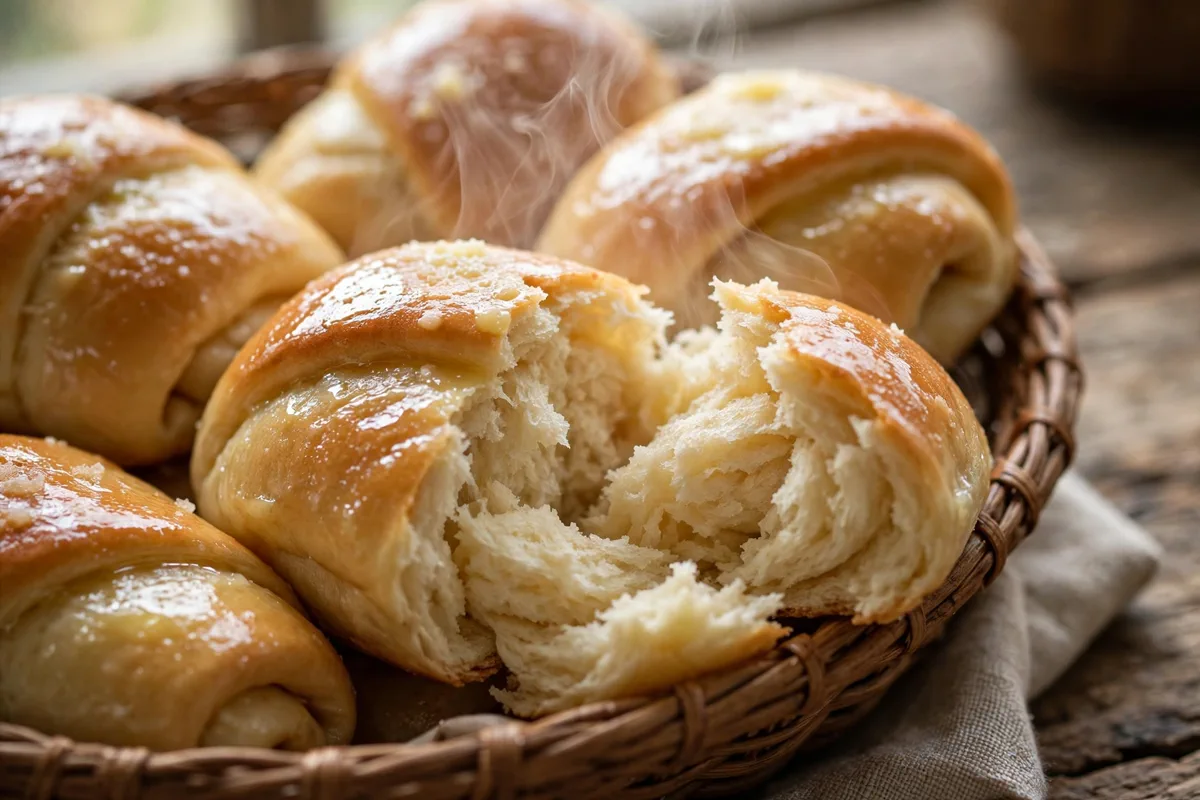
Parker House rolls are soft, buttery dinner rolls folded in half — golden outside, pillowy inside, made for pulling apart warm at the table.
Parker House rolls are soft, buttery dinner rolls folded in half — golden outside, pillowy inside, made for pulling apart warm at the table.
If you are looking for an ultra-satisfying, restaurant-quality meal that comes together with minimal effort, this Parker House Rolls: Buttery, Folded, Impossible to Resist is about to become your new favorite. Everything is cooked to juicy, golden perfection with wholesome ingredients and incredible depth of flavor.
One simple tip!
Warm the milk to 43°C (110°F) and no hotter — yeast dies above 49°C (120°F), and dead yeast means flat, dense rolls.
Step-by-Step Photos
Why You’ll Love This Recipe
Ingredients Notes & Variations
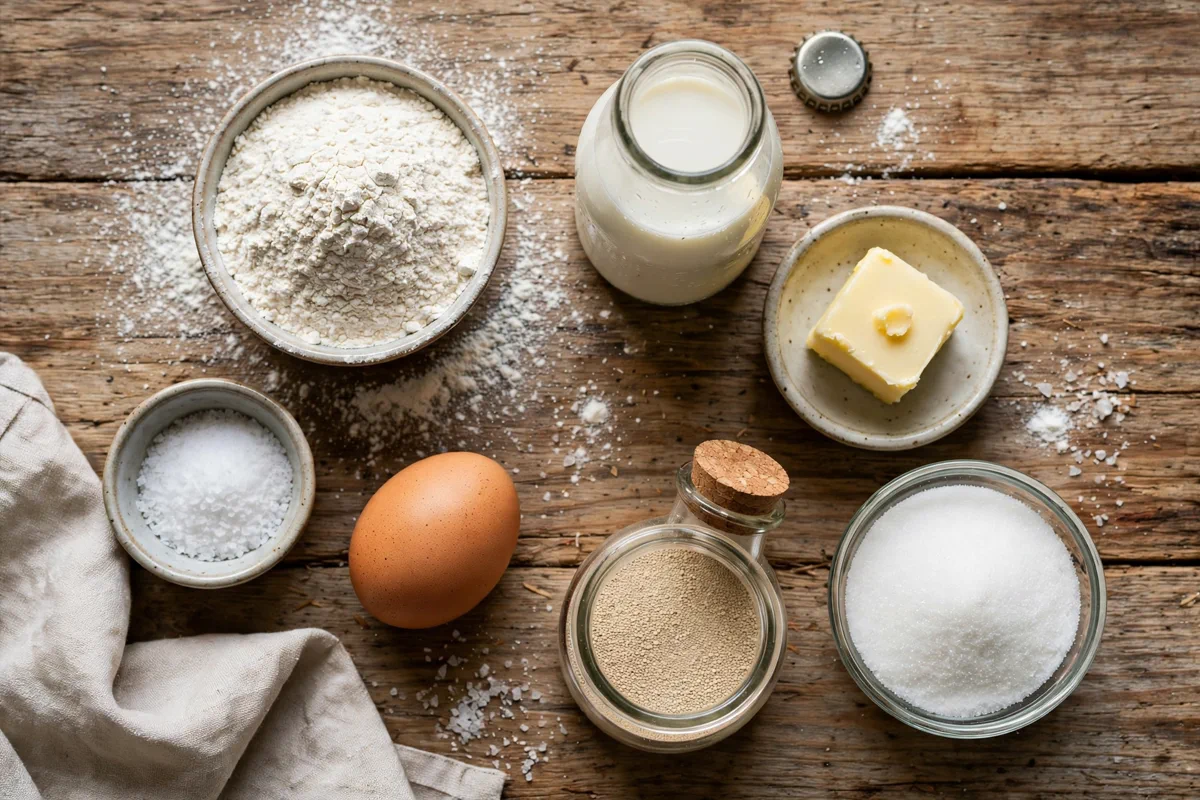
Here is an overview of what you will need for this recipe. Be sure to scroll down to the printable recipe card below for exact scaled measurements!
Whole milk
240 mlwarmed to 43°C (110°F)
Unsalted butter
85 gdivided — 4 tbsp in the dough, 2 tbsp melted for brushing
Granulated sugar
50 gActive dry yeast
7 g1 packet (2¼ tsp)
All-purpose flour
500 gabout 4 cups, spooned and levelled, plus a little for dusting
Large egg
1 pieceat room temperature
Fine sea salt
1.5 tspFlaky sea salt
0.5 tspfor sprinkling on top, optional
How to Make (Step-by-Step Overview)
Here is a quick summary of the preparation process. Detailed cooking temperatures and step timers are included in the recipe card below.
Warm the milk in a small saucepan over low heat until it reaches 43°C (110°F) — warm to the touch, not hot. Pour it into a large bowl and stir in the sugar and yeast. Let it sit for 10 minutes until foamy on top.
Melt 4 tablespoons of the butter and let it cool for 2 minutes. Whisk it into the milk mixture along with the egg.
Add the flour and fine sea salt to the bowl. Stir with a wooden spoon until a shaggy dough forms and no dry flour is left at the bottom.
Turn the dough onto a lightly floured surface and knead for 8 to 10 minutes until smooth and springy. It should feel soft and slightly tacky, not sticky.
Place the dough in a lightly greased bowl, turn it once to coat, and cover with a clean towel. Let it rise in a warm spot for 60 to 75 minutes until doubled in size.
Punch the dough down gently and turn it onto a floured surface. Roll it out to a rectangle about 30 by 40 cm (12 by 16 inches) and 1 cm (½ inch) thick.
Melt the remaining 2 tablespoons of butter. Brush the whole surface of the dough lightly with it.
Cut the dough into 12 rectangles, about 10 by 7.5 cm (4 by 3 inches) each. Fold each rectangle in half lengthwise, pressing the top edge down gently so the fold holds but the layers can still open.
Arrange the folded rolls close together in a buttered 23 by 33 cm (9 by 13 inch) baking dish, fold side down, with the open edge facing up. Cover and let rise for 30 to 45 minutes until puffy and touching each other.
While the rolls rise, heat the oven to 190°C (375°F). Brush the tops of the risen rolls with the rest of the melted butter and sprinkle with flaky sea salt if using.
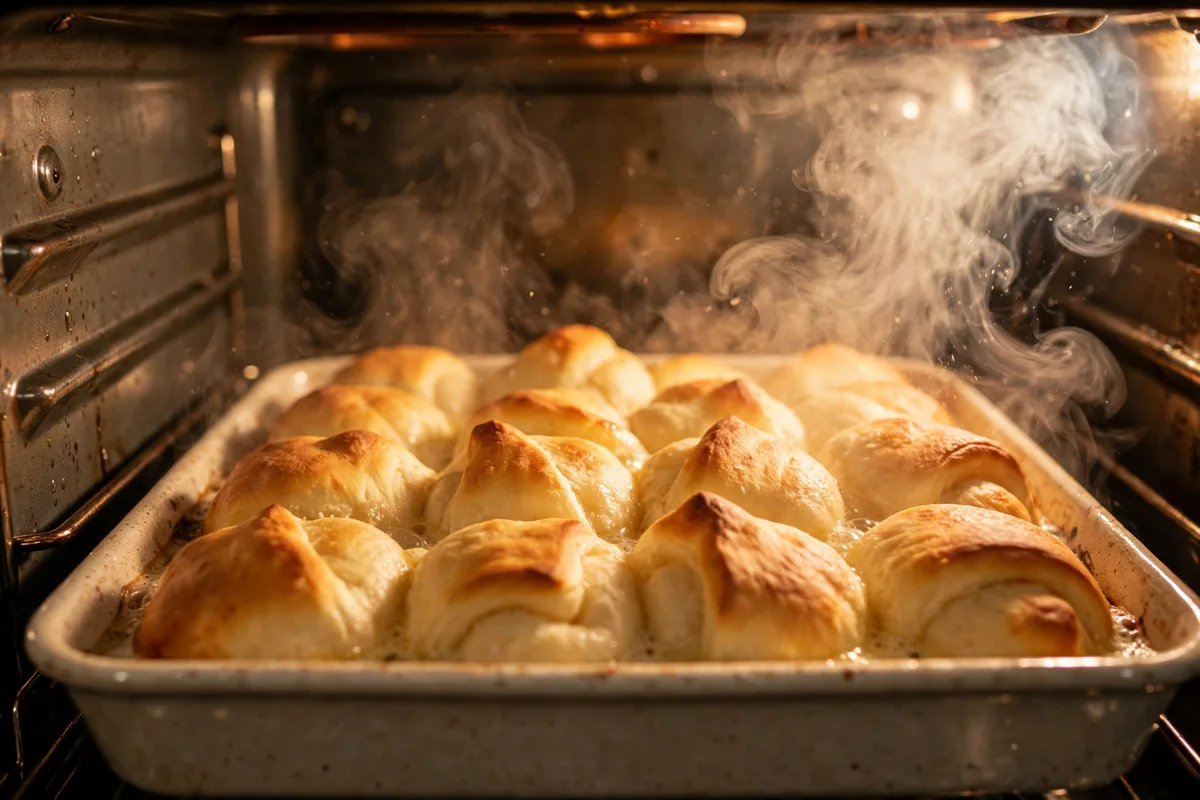
Bake for 20 to 22 minutes until the tops are deep golden brown and the rolls sound hollow when tapped on the bottom.
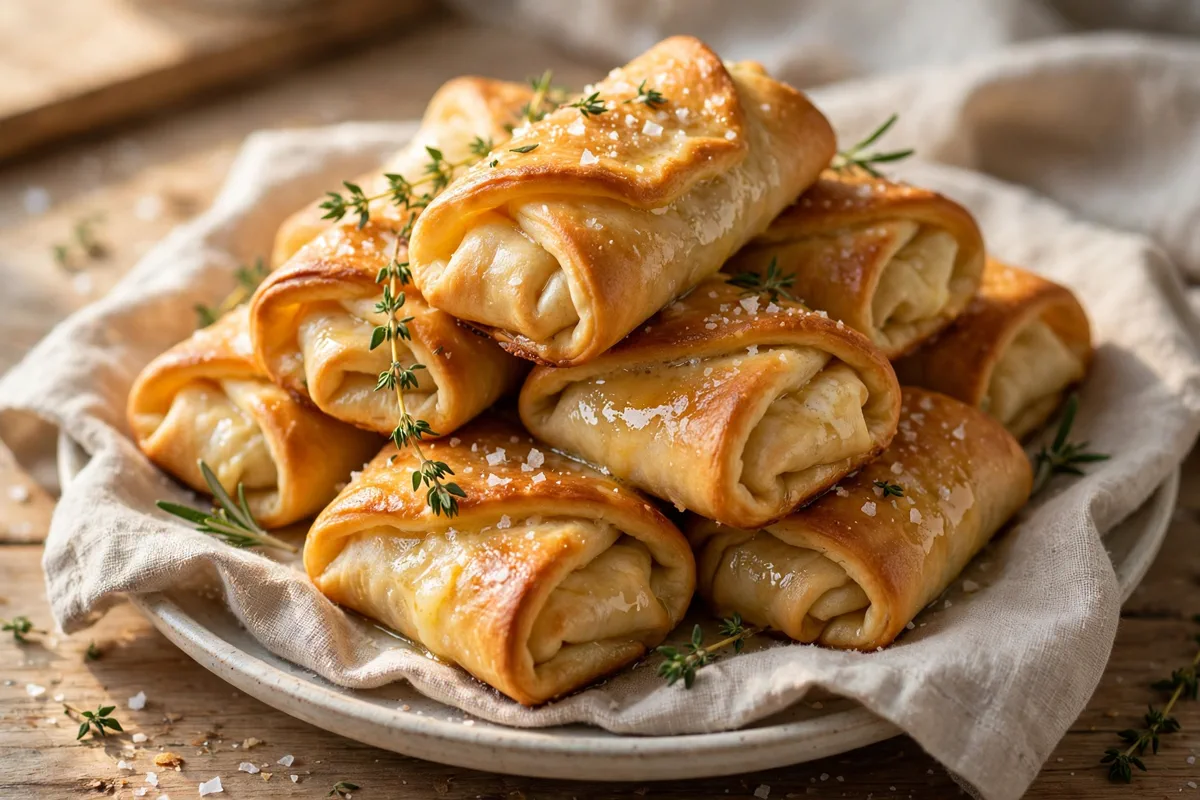
Brush the hot rolls with any remaining melted butter the moment they come out of the oven. Let them cool in the pan for 10 minutes, then pull apart and serve warm.
Our Pro Tips for Success
- •Warm the milk to 43°C (110°F) and no hotter — yeast dies above 49°C (120°F), and dead yeast means flat, dense rolls.
- •The dough should be soft and slightly tacky when it leaves the bowl. If it feels stiff, add milk a tablespoon at a time; dry dough makes dry rolls.
- •Roll the dough to an even 1 cm thickness before cutting. Uneven dough bakes unevenly — thin spots over-brown while thick spots stay doughy.
- •Brush the inside of each fold with melted butter before folding. That butter layer is what lets the roll open into two soft layers instead of baking shut.
- •Brush the tops with butter twice — once before baking and once the moment they come out of the oven. The second brush is what gives the shine and the salty, buttery finish.
Storage & Make-Ahead Instructions
Our Recipe Precision Calculators
Calculate exact roasting times, internal temperatures, brining ratios, and safe thaw windows.
What Parker House Rolls Actually Are
Parker House rolls are soft dinner rolls made from an enriched yeast dough of milk, butter, sugar, and egg, rolled out, cut into rectangles, brushed with butter, and folded in half before baking. They come from the Parker House Hotel in Boston, where they have been served since the 1870s, and the fold is the whole identity of the roll: it bakes into a pocket that pulls apart into two tender layers. The outside turns golden and lightly crisp from the butter wash; the inside stays pillowy and rich. One roll is never enough — they are meant to be pulled apart at the table while still warm.
The reason this recipe works so well at home is that it is forgiving in the places that matter. The dough is enriched, so it stays soft even if your timing is a little off. The fold hides imperfect shaping. And the butter brushed on before baking and again after baking covers a multitude of sins. What you need most is patience for the two rises — rush them and the rolls come out small and tight; give them the full time and they bake up tall and light.
Why the Fold Matters
Every dinner roll recipe promises softness. The Parker House fold delivers something different: structure. When you brush the dough with melted butter and fold it over, you create a thin layer of fat between two sheets of dough. In the oven, that fat keeps the layers from fusing. The result is a roll that opens like a little book when you pull it apart, with a soft, steamy interior that a plain round roll does not have.
The fold also changes how the roll browns. The top layer gets direct heat and turns golden, while the bottom layer stays sheltered and pale. That contrast is part of the look. It is also why the rolls are packed close together in the pan — crowded rolls rise up instead of out, so they bake tall, and the sides stay soft where they touch. Space them far apart and they spread flat and lose the shape entirely.
The Dough, Step by Step
Start with the milk. Warm it to 43°C (110°F) — warm enough to wake the yeast, cool enough not to kill it. If you do not have a thermometer, test a drop on the inside of your wrist; it should feel warm and comfortable, like bathwater. Stir in the sugar and the yeast, then wait ten minutes. The surface should be foamy — that foam is your proof the yeast is alive. No foam means the yeast was old or the milk was too hot, and it is better to find out now than after two hours of waiting on a dough that will never rise.
The egg and melted butter go in next, then the flour and salt. Stir until the dough looks shaggy and no dry flour sits at the bottom of the bowl. Then knead for 8 to 10 minutes by hand. The dough starts out sticky and rough, then smooths out and springs back when you poke it. That spring is gluten doing its job — it holds the air in during the rise and gives the baked roll its pull-apart texture. If the dough still sticks to your hands after five minutes, dust the surface with a little flour, but go easy. A dry dough makes dry rolls.
For the first rise, find a warm spot, around 24–27°C (75–80°F). Inside an oven with just the light on works well. Cover the bowl with a towel and leave it alone for 60 to 75 minutes, until the dough has doubled. If your kitchen is cold, it may take closer to 90 minutes — the size of the dough tells you when it is ready, not the clock.
Shaping the Rolls
Once the dough has doubled, punch it down gently and roll it out on a floured surface to a rectangle about 30 by 40 cm (12 by 16 inches), roughly 1 cm (½ inch) thick. Keep the thickness even — thin spots over-brown while thick spots stay doughy in the middle.
Brush the whole surface with melted butter. This is the layer that keeps the fold open, so do not skip it. Then cut the dough into 12 rectangles and fold each one in half lengthwise, pressing the top edge down gently — enough to hold the fold, not so hard that you seal it shut.
Place the folded rolls in a buttered 23 by 33 cm (9 by 13 inch) dish, fold side down, packed close together so they touch. They need a second rise of 30 to 45 minutes, until puffy and pressing against each other. That crowding is what makes them bake tall instead of spreading flat.
Baking and the Butter Finish
Heat the oven to 190°C (375°F) while the rolls finish rising. Brush the tops with the rest of the melted butter and sprinkle flaky sea salt over the top if you like it.
Bake for 20 to 22 minutes. The tops should be deep golden brown, not pale blonde. If your oven runs hot, check at 18 minutes, and if the tops are browning too fast, lay a sheet of foil loosely over the pan for the last few minutes. The rolls are done when they sound hollow when tapped on the bottom and the centers read around 88°C (190°F) on a thermometer.
The last step takes ten seconds and makes the biggest difference. Brush the hot rolls with melted butter the moment they come out of the oven — it soaks into the warm crust and gives the rolls their shine and their salty, buttery finish. Let them cool in the pan for ten minutes, then pull them apart and serve warm. They are at their best in the first hour, while the inside is still steamy.
What Goes Wrong and How to Fix It
Flat, dense rolls almost always come back to the yeast. Either the milk was too hot, the yeast was past its date, or the dough rose in a cold kitchen. Use a thermometer for the milk, check the date on the yeast packet, and give the dough a warm spot to rise. If the dough has not doubled after 90 minutes, move it somewhere warmer and wait — it will usually get there.
Rolls that bake shut, with no pocket to pull open, usually mean the fold was pressed too hard or the butter layer inside was too thin. Press the fold gently, just enough to hold it, and brush the dough generously before folding. A little butter leaking out during baking is fine. Pale tops mean the oven was not hot enough or the butter wash was skipped — make sure the oven is fully preheated and do not skip the brush of butter on top before baking.
Swaps That Actually Work
Bread flour can replace the all-purpose flour one for one. It gives a slightly chewier roll with a taller rise.
If you only have instant yeast, use the same amount and skip the 10-minute foaming step — mix it straight into the flour. Active dry yeast needs that warm-milk proofing step to wake up; instant yeast does not.
For a dairy-free version, swap the milk for oat milk and the butter for a good plant-based butter. The rolls will be a little less rich, but the structure holds. Do not use water in place of the milk — the milk fat and sugar are part of what keeps the crumb soft.
Storing and Reheating
Store leftover rolls in a sealed bag or container at room temperature for up to 2 days. After day 2, move them to the fridge for up to 4 more days, but expect them to firm up a little. To reheat, wrap the rolls in foil and warm them at 175°C (350°F) for 8 to 10 minutes, then brush with a little melted butter. A single roll reheats well in the microwave for 15 seconds, wrapped in a damp paper towel. For longer storage, freeze fully baked and cooled rolls in a sealed freezer bag for up to 2 months and reheat from frozen, wrapped in foil, at 175°C (350°F) for 12 to 15 minutes.
When to Make Them
Parker House rolls earn their place at any dinner where bread matters — a roast, a soup night, a holiday table. They are the kind of roll people reach for before the main course arrives. Because the dough can be made the night before and refrigerated after the first rise, they fit into a busy cooking day: make the dough in the evening, shape and bake the next day, and the rolls come out of the oven while everything else is resting. The work is spread out, the payoff is hot and buttery, and the fold does the showing off for you.
Frequently Asked Questions
Yes, you can make the dough the night before. After the first rise, punch it down, cover the bowl tightly, and refrigerate overnight. The next day, let the dough sit at room temperature for 30 minutes before rolling and shaping.
Usually the milk was too hot and killed the yeast, or the dough rose in a cold spot. Use a thermometer for the milk and let the dough rise somewhere warm, around 24–27°C (75–80°F), like inside an oven with just the light on.
Parker House Rolls: Buttery, Folded, Impossible to Resist
Parker House rolls are soft, buttery dinner rolls folded in half — golden outside, pillowy inside, made for pulling apart warm at the table.
Ingredients
Click to check offInstructions
Step-by-StepWarm the milk in a small saucepan over low heat until it reaches 43°C (110°F) — warm to the touch, not hot. Pour it into a large bowl and stir in the sugar and yeast. Let it sit for 10 minutes until foamy on top.
Melt 4 tablespoons of the butter and let it cool for 2 minutes. Whisk it into the milk mixture along with the egg.
0Add the flour and fine sea salt to the bowl. Stir with a wooden spoon until a shaggy dough forms and no dry flour is left at the bottom.
0Turn the dough onto a lightly floured surface and knead for 8 to 10 minutes until smooth and springy. It should feel soft and slightly tacky, not sticky.
Place the dough in a lightly greased bowl, turn it once to coat, and cover with a clean towel. Let it rise in a warm spot for 60 to 75 minutes until doubled in size.
Punch the dough down gently and turn it onto a floured surface. Roll it out to a rectangle about 30 by 40 cm (12 by 16 inches) and 1 cm (½ inch) thick.
0Melt the remaining 2 tablespoons of butter. Brush the whole surface of the dough lightly with it.
0Cut the dough into 12 rectangles, about 10 by 7.5 cm (4 by 3 inches) each. Fold each rectangle in half lengthwise, pressing the top edge down gently so the fold holds but the layers can still open.
0Arrange the folded rolls close together in a buttered 23 by 33 cm (9 by 13 inch) baking dish, fold side down, with the open edge facing up. Cover and let rise for 30 to 45 minutes until puffy and touching each other.
While the rolls rise, heat the oven to 190°C (375°F). Brush the tops of the risen rolls with the rest of the melted butter and sprinkle with flaky sea salt if using.
0Bake for 20 to 22 minutes until the tops are deep golden brown and the rolls sound hollow when tapped on the bottom.
Brush the hot rolls with any remaining melted butter the moment they come out of the oven. Let them cool in the pan for 10 minutes, then pull apart and serve warm.
The Cooking With Guru Team
Our recipes are developed and checked by the Cooking With Guru team. Nutrition figures are estimates calculated from USDA data, and yields scale with the built-in portion tools so the recipe fits your kitchen.
More baking recipes to try!
Comments & Questions (0)
Join the conversationNo comments yet!
Be the first to leave a comment or ask a question about Parker House Rolls: Buttery, Folded, Impossible to Resist.