Pecan Pie Bars (All the Pie, None of the Fuss)
Published: Jan 15, 2025
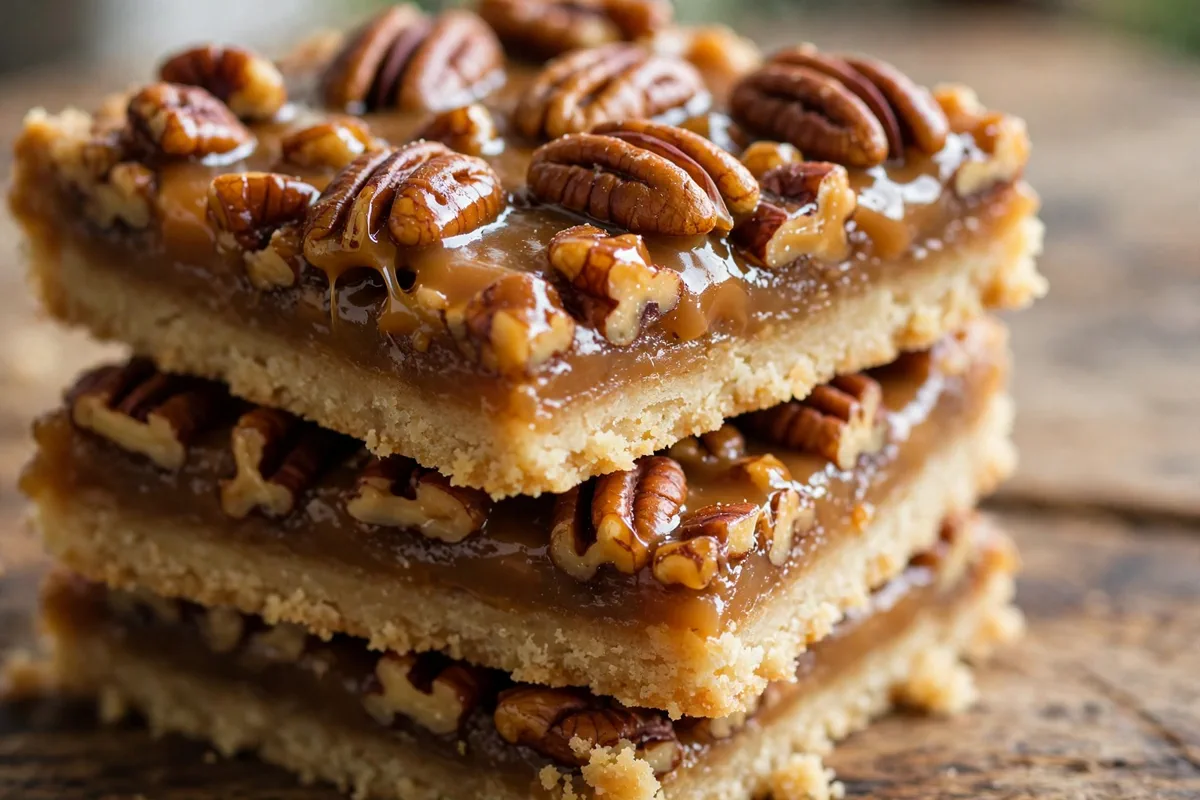
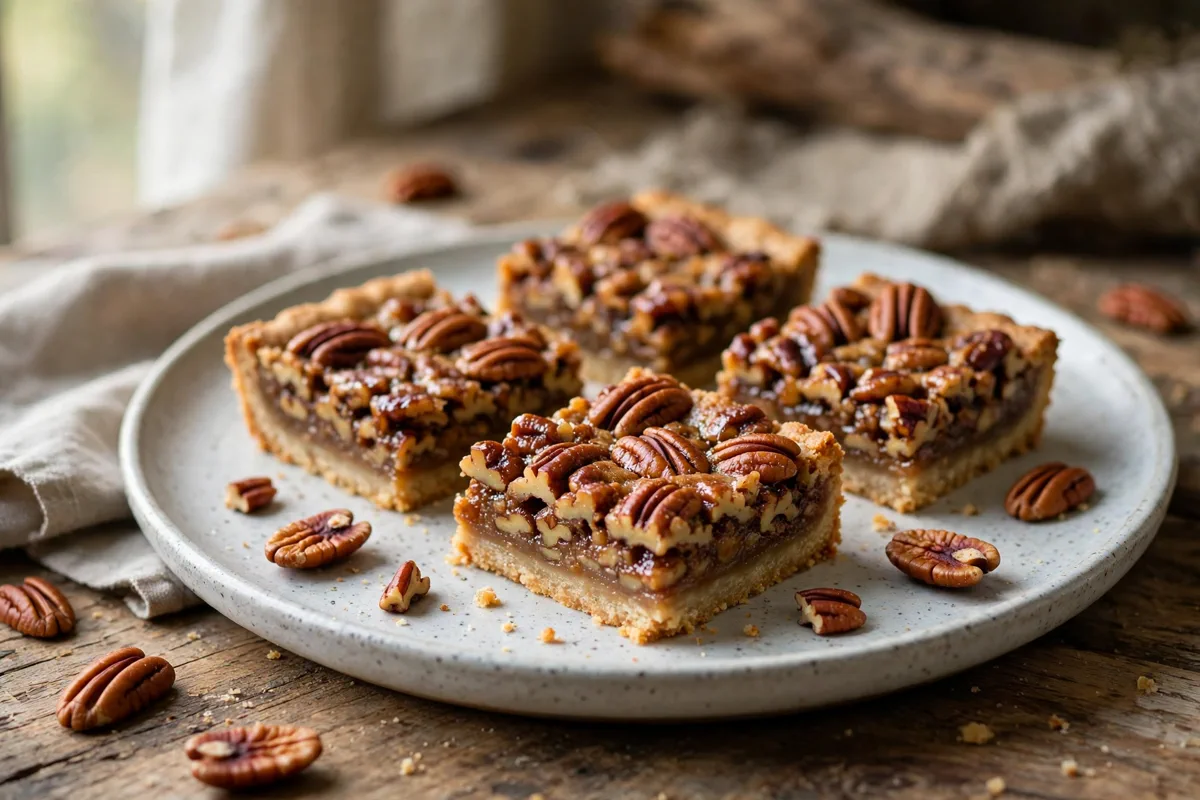
Pecan pie bars with a buttery shortbread crust and a glossy caramel-pecan filling — all the flavour of pecan pie, cut into easy squares.
Pecan pie bars with a buttery shortbread crust and a glossy caramel-pecan filling — all the flavour of pecan pie, cut into easy squares.
If you are looking for an ultra-satisfying, restaurant-quality meal that comes together with minimal effort, this Pecan Pie Bars (All the Pie, None of the Fuss) is about to become your new favorite. Everything is cooked to juicy, golden perfection with wholesome ingredients and incredible depth of flavor.
One simple tip!
Bake the crust until the edges are properly pale gold, not just set. An underbaked crust turns soft under the filling and the bars will not hold their shape.
Step-by-Step Photos
Why You’ll Love This Recipe
Ingredients Notes & Variations
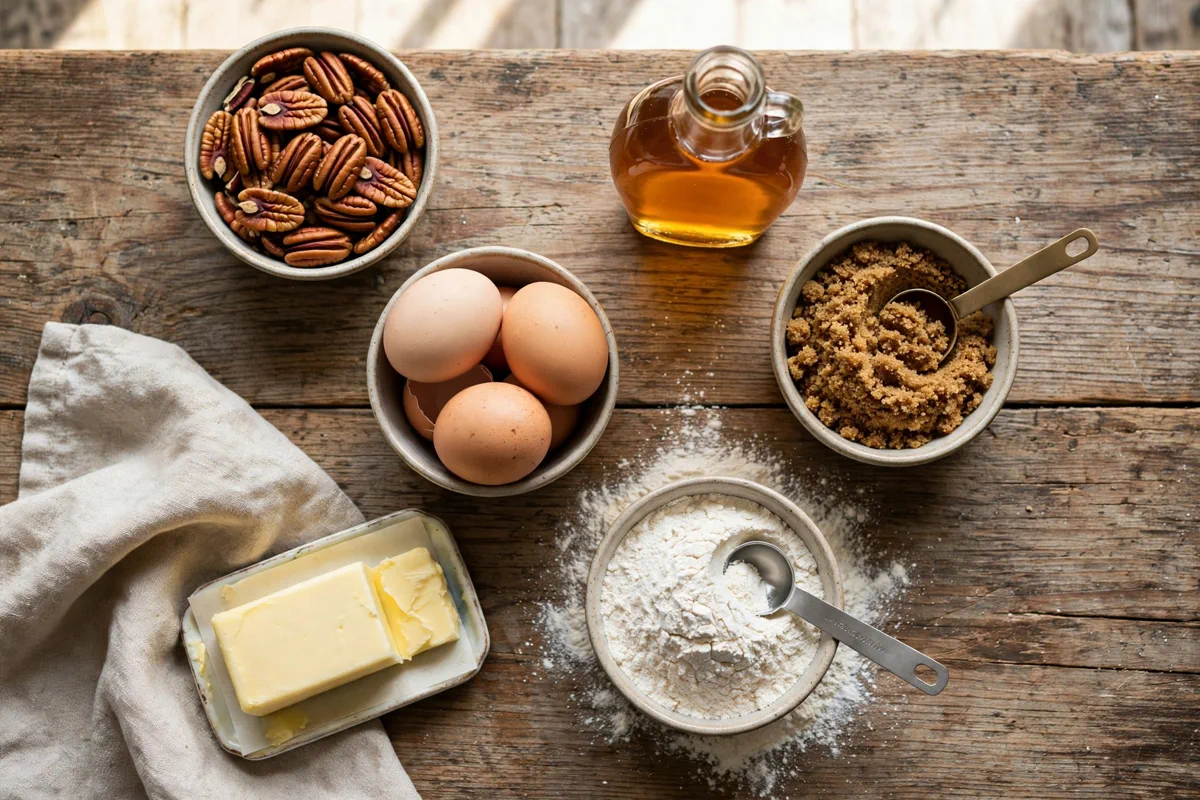
Here is an overview of what you will need for this recipe. Be sure to scroll down to the printable recipe card below for exact scaled measurements!
All-purpose flour
200 gfor the shortbread crust
Unsalted butter
175 gdivided — 115 g cold and cubed for the crust, 60 g melted for the filling
Granulated sugar
50 gfor the crust
Fine sea salt
0.5 tspdivided — a pinch for the crust, the rest for the filling
Light brown sugar
200 gpacked, for the filling
Corn syrup
160 mllight corn syrup, for the filling
Large eggs
3 pieceat room temperature
Vanilla extract
2 tspPecan halves
250 gwhole halves for the top, a handful chopped if you like a denser filling
How to Make (Step-by-Step Overview)
Here is a quick summary of the preparation process. Detailed cooking temperatures and step timers are included in the recipe card below.
Heat the oven to 175°C (350°F). Line a 23 x 33 cm (9 x 13 inch) baking pan with parchment paper, leaving an overhang on the two long sides so you can lift the slab out later.
Make the crust. Stir the flour, granulated sugar and a pinch of salt together in a bowl, then rub in the cold cubed butter with your fingertips until the mixture looks like coarse breadcrumbs and holds together when you squeeze a handful.
Tip the crumbs into the lined pan and press them into a firm, even layer, pushing the mixture slightly up the sides with the base of a glass. Prick the surface all over with a fork.
Bake the crust for 18 to 20 minutes, until the edges turn pale gold and the centre looks dry and set. Leave the oven on.
While the crust bakes, whisk the brown sugar, corn syrup, melted butter, eggs, vanilla and the remaining salt in a large bowl until smooth and glossy, about a minute of steady whisking.
Stir the pecan halves into the filling so every nut is coated. If you want a denser bite, chop a small handful of the pecans first and mix those in too.
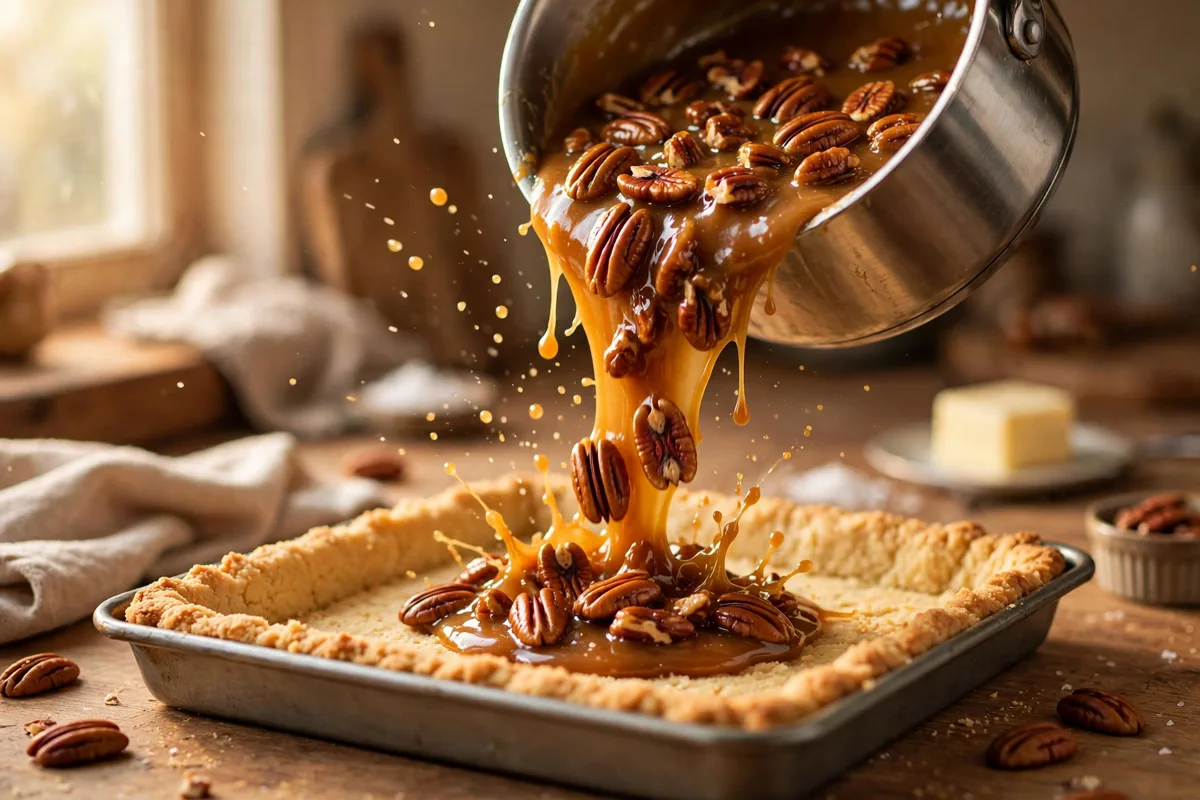
Pour the filling over the hot crust straight from the oven and spread the pecans into a single even layer with a spoon.
Bake for 30 to 35 minutes. The filling is done when the edges are set and puffed slightly and the centre still gives a gentle jiggle when you nudge the pan. It firms up as it cools, so do not wait for the middle to look solid.
Cool the pan on a rack for at least 2 hours, then chill for 30 minutes. Lift the slab out by the parchment overhang and cut into 16 bars with a long sharp knife, wiping the blade clean between cuts for neat edges.
Our Pro Tips for Success
- •Bake the crust until the edges are properly pale gold, not just set. An underbaked crust turns soft under the filling and the bars will not hold their shape.
- •Pour the filling onto the hot crust, not a cooled one. The heat starts setting the bottom of the filling straight away, which is what keeps the crust crisp underneath.
- •Pull the pan out while the centre still jiggles a little. The filling keeps cooking from the pan's heat, and a fully firm centre in the oven means a rubbery bar on the plate.
- •Let the slab cool completely before cutting — at least 2 hours, plus a short chill. Warm bars smear and the filling runs; cold bars cut into clean, sharp squares.
- •Wipe the knife between cuts. The filling is sticky, and a clean blade is the difference between tidy bakery-style bars and ragged edges.
Storage & Make-Ahead Instructions
Our Recipe Precision Calculators
Calculate exact roasting times, internal temperatures, brining ratios, and safe thaw windows.
Pecan pie bars are pecan pie without the pie dish, the pastry wrangling, or the slicing drama. A buttery shortbread base carries a glossy caramel filling packed with pecan halves, and the whole slab cuts into neat squares that travel well and disappear fast. They taste like the middle of a pecan pie — the part everyone fights over — with a crisp edge on every single piece.
The reason this version works so well is the crust. A traditional pie shell has to be rolled, chilled, blind-baked and hoped for the best. Here the base is a press-in shortbread: flour, butter, sugar and salt rubbed together and pushed into the pan. It bakes into a firm, biscuity layer that stays crisp under a wet filling, which is the one thing that usually goes wrong with bar versions of pies. Bake it until the edges are properly gold, and the rest of the recipe almost takes care of itself.
Why bars beat a whole pie
A pie is a commitment. It needs a dish, a serving plan, and someone willing to cut the first slice without the whole thing collapsing. Bars skip all of that. The slab lifts out of the pan on its parchment, cuts into 16 even squares, and each one has the same ratio of crust to filling. That evenness is the real win: in a pie, the middle slices are all filling and the edge slices are all crust. In a bar, every piece is balanced.
They are also the practical choice for a crowd. A tray of bars feeds more people than a single pie, stacks neatly on a dessert table, and packs into a container for a potluck without a serving spoon in sight. At Thanksgiving, when the table is already crowded, a tray of bars takes up a fraction of the space a pie stand does.
The crust: shortbread, not pastry
The base is shortbread in all but name — flour, cold butter, a little sugar and salt. The trick is in how you work the butter. Rub it in with your fingertips until the mixture looks like coarse breadcrumbs, then squeeze a handful: if it holds together, it is ready. If it still falls apart, work it a little longer. Cold butter matters here. Warm butter melts into the flour and you end up with a greasy, dense base instead of a light, crumbly one.
Press the crumbs into the pan firmly and evenly. An uneven crust bakes unevenly — thin spots overbrown and thick spots stay pale and soft. The base of a drinking glass is the easiest tool for this: press down, then run it across the surface until the layer looks level. Push the mixture slightly up the sides of the pan so the filling has a low wall to sit against. Pricking the surface with a fork stops the crust puffing up in the oven.
Bake the crust on its own first, until the edges are pale gold and the centre looks dry. This is the step people rush, and it is the step that decides whether the bars hold together or fall apart. A pale, barely-set crust turns soft under the filling. A properly baked one stays crisp and gives the bars their structure.
The filling: sugar, syrup and patience
The filling is the classic pecan pie mixture: brown sugar, corn syrup, butter, eggs and vanilla. Whisk it until it is smooth and glossy, about a minute of steady whisking. You are not trying to whip air into it — just to dissolve the sugar into the syrup and eggs so the filling sets evenly instead of in sugary patches.
Corn syrup gets a bad name, but here it does a job nothing else does quite as well: it keeps the filling smooth and stops the sugar from crystallising as it bakes. Golden syrup is the closest swap and gives a deeper, almost toffee note. Maple syrup works too, though the filling sets a touch softer, so add a few minutes to the bake and chill the bars well before cutting.
The pecans go in last, stirred through so every nut is coated. Whole halves look best on top, and they toast gently as the bars bake, which is where much of the flavour comes from. If you like a denser, nuttier bite, chop a small handful and mix those into the filling too — the chopped pieces sink slightly and give the middle of each bar more texture.
How to tell when they are done
The filling is ready when the edges are set and puffed slightly and the centre still gives a gentle jiggle when you nudge the pan. That jiggle is the part people misread. A centre that looks fully firm in the oven will be overbaked and rubbery once it cools, because the filling keeps cooking from the heat stored in the pan. Pull it out while the middle still moves a little, and it will set to a soft, sliceable caramel as it cools.
Cooling is not optional. The bars need at least 2 hours on a rack, then a short chill in the fridge. Cutting them warm is the most common mistake with this recipe: the filling runs, the crust crumbles, and the neat squares you pictured turn into a sticky pile. Cold bars cut cleanly. Use a long, sharp knife and wipe the blade between cuts — the filling is sticky, and a clean blade is what gives you bakery-style edges.
Serving and keeping
These bars are rich, so small squares go a long way. Serve them at room temperature, when the filling is soft and the pecans are at their most fragrant. They need nothing on top, but a spoonful of lightly whipped cream or a scoop of vanilla ice cream is the obvious partner if you want to dress them up for a holiday table.
At room temperature in an airtight container, they keep for 3 days — put parchment between layers so the sticky tops do not glue themselves together. In the fridge they last a week. They also freeze well for up to 2 months, wrapped individually, which makes them a useful bake-ahead for a busy holiday week. Thaw them overnight in the fridge and bring them to room temperature before serving.
What goes wrong, and how to fix it
Runny filling is almost always underbaking or cutting too soon. Bake until only the centre jiggles, then give the slab its full cooling time. A soggy crust means the base was underbaked — next time, let the edges go properly gold before the filling goes on. Bars that crumble when cut were usually cut warm, or the crust was pressed too loosely into the pan. Press firmly, cool fully, and the squares hold.
If the pecans on top brown too fast, the oven is running hot or the pan is on too high a rack. Move it to the centre rack and, if the nuts are darkening early, lay a loose sheet of foil over the top for the last 10 minutes. The nuts should toast to a warm brown, not go dark and bitter.
Frequently Asked Questions
The filling was underbaked, or the bars were cut while still warm. Bake until the edges are set and only the centre jiggles, then cool for at least 2 hours before cutting — the filling firms up as it cools.
Yes, they are a good make-ahead dessert. Bake them up to 2 days ahead and keep them in an airtight container in the fridge, or freeze them for up to 2 months. Bring refrigerated bars to room temperature for 20 minutes before serving.
Pecan Pie Bars (All the Pie, None of the Fuss)
Pecan pie bars with a buttery shortbread crust and a glossy caramel-pecan filling — all the flavour of pecan pie, cut into easy squares.
Ingredients
Click to check offInstructions
Step-by-StepHeat the oven to 175°C (350°F). Line a 23 x 33 cm (9 x 13 inch) baking pan with parchment paper, leaving an overhang on the two long sides so you can lift the slab out later.
0Make the crust. Stir the flour, granulated sugar and a pinch of salt together in a bowl, then rub in the cold cubed butter with your fingertips until the mixture looks like coarse breadcrumbs and holds together when you squeeze a handful.
0Tip the crumbs into the lined pan and press them into a firm, even layer, pushing the mixture slightly up the sides with the base of a glass. Prick the surface all over with a fork.
0Bake the crust for 18 to 20 minutes, until the edges turn pale gold and the centre looks dry and set. Leave the oven on.
While the crust bakes, whisk the brown sugar, corn syrup, melted butter, eggs, vanilla and the remaining salt in a large bowl until smooth and glossy, about a minute of steady whisking.
0Stir the pecan halves into the filling so every nut is coated. If you want a denser bite, chop a small handful of the pecans first and mix those in too.
0Pour the filling over the hot crust straight from the oven and spread the pecans into a single even layer with a spoon.
0Bake for 30 to 35 minutes. The filling is done when the edges are set and puffed slightly and the centre still gives a gentle jiggle when you nudge the pan. It firms up as it cools, so do not wait for the middle to look solid.
Cool the pan on a rack for at least 2 hours, then chill for 30 minutes. Lift the slab out by the parchment overhang and cut into 16 bars with a long sharp knife, wiping the blade clean between cuts for neat edges.
The Cooking With Guru Team
Our recipes are developed and checked by the Cooking With Guru team. Nutrition figures are estimates calculated from USDA data, and yields scale with the built-in portion tools so the recipe fits your kitchen.
More dessert recipes to try!
Comments & Questions (0)
Join the conversationNo comments yet!
Be the first to leave a comment or ask a question about Pecan Pie Bars (All the Pie, None of the Fuss).
You May Also Like
Cranberry Orange Shortbread Bars
Peppermint Bark Cheesecake Bars
One-Pot Chicken Pot Pie Soup

Brown Butter Apple Blondies with Cinnamon Glaze
Brown Butter Snickerdoodles (Extra Chewy)

Gochujang Caramel Popcorn (Sweet-Spicy)
Cranberry Fluff: The Retro Salad Making a Comeback