🍽️
Prep time10 mins
Cook time7 mins
Ingredients8
breakfasteasy
Labneh and Zaatar Breakfast Bowl
Published: Jan 15, 2025
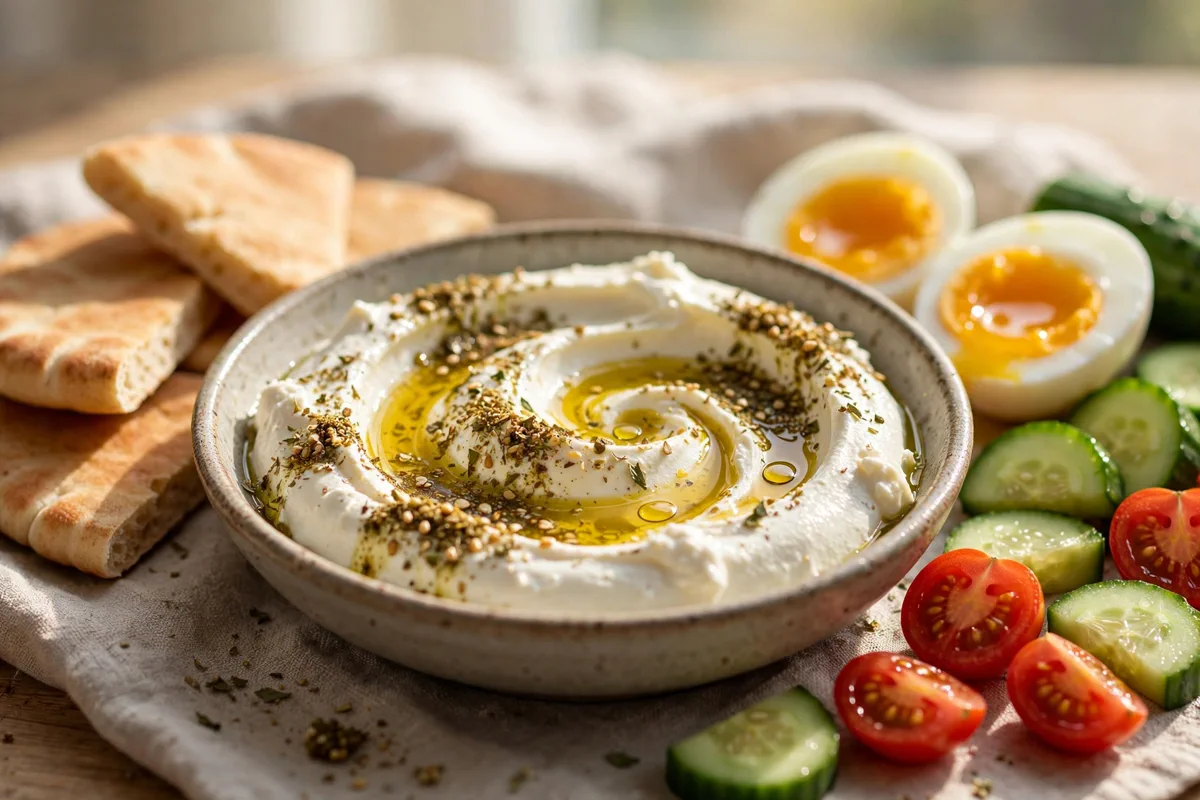
Thick labneh with olive oil and zaatar, jammy eggs, cucumber, tomato, and warm pita — a Middle Eastern breakfast in 17 minutes.
Thick labneh with olive oil and zaatar, jammy eggs, cucumber, tomato, and warm pita — a Middle Eastern breakfast in 17 minutes.
If you are looking for an ultra-satisfying, restaurant-quality meal that comes together with minimal effort, this Labneh and Zaatar Breakfast Bowl is about to become your new favorite. Everything is cooked to juicy, golden perfection with wholesome ingredients and incredible depth of flavor.
One simple tip!
Drain loose labneh first. If your brand is closer to sour cream than cream cheese, strain it through a cheesecloth-lined sieve for an hour in the fridge — thin labneh will not hold the swirls and the oil slides off.
Step-by-Step Photos
Why You’ll Love This Recipe
Quick & EffortlessReady in just 17 minutes total with straightforward, foolproof prep.
Packed with Deep FlavorCarefully balanced with labneh, za'atar, extra-virgin olive oil for maximum satisfaction.
Family & Crowd FriendlyMakes 2 generous servings that can be effortlessly doubled or scaled using our smart scaler.
Made From ScratchReal ingredients and straightforward home cooking, with no shortcuts on flavor.
Ingredients Notes & Variations
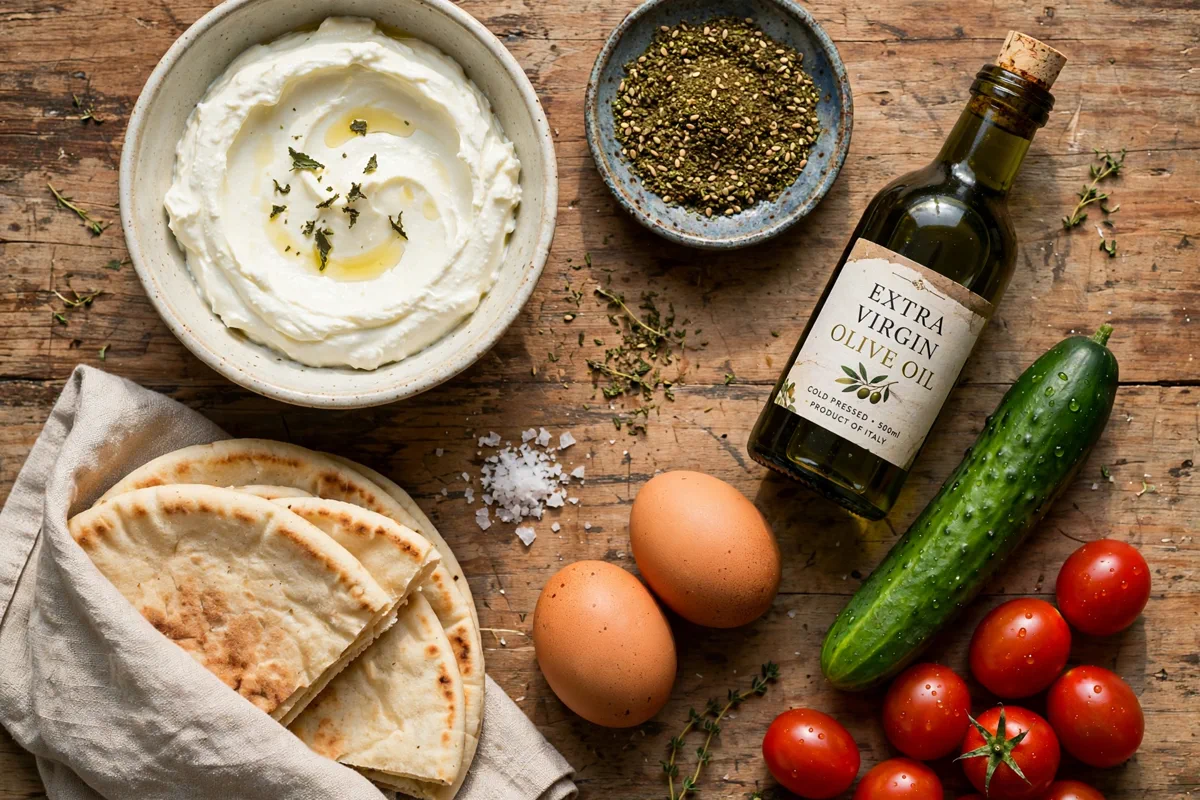
Here is an overview of what you will need for this recipe. Be sure to scroll down to the printable recipe card below for exact scaled measurements!
labneh
1 cupthick full-fat; homemade or store-bought
za'atar
2 tbspblend of dried thyme, sumac, and toasted sesame seeds
extra-virgin olive oil
3 tbspplus a little extra for drizzling
eggs
2 piecelarge
cucumber
1 piece1 small Persian cucumber, cut into half-moons
cherry tomatoes
1 cuphalved
pita bread
2 piecepocket pita, warmed before serving
flaky salt
1 pinchor 1/4 tsp kosher salt
How to Make (Step-by-Step Overview)
Here is a quick summary of the preparation process. Detailed cooking temperatures and step timers are included in the recipe card below.
1
Look for: Big, steady bubbles across the whole surface
2
Look for: The boil settles briefly, then returns as the eggs go in
3
Look for: Shells feel fully cold, not just cool
4
Look for: Yolks look jammy — set at the edges, soft in the center
5
Look for: The swirls give the oil and za'atar somewhere to pool
6
Look for: Oil pools in the swirls; za'atar speckles the surface
7
Look for: Bright colors against the white labneh
8
Look for: Pita is steamy and pliable, not crisp
Our Pro Tips for Success
- •Drain loose labneh first. If your brand is closer to sour cream than cream cheese, strain it through a cheesecloth-lined sieve for an hour in the fridge — thin labneh will not hold the swirls and the oil slides off.
- •Have the ice bath ready before the eggs go in. The minute you spend filling it after the timer rings is a minute of yolks overcooking.
- •Salt the labneh, not the vegetables. Salting cucumbers and tomatoes early draws out water and thins the bowl.
- •Sprinkle the za'atar onto the oiled surface right before serving so the oil wakes up the herbs. Stirred in ahead of time, it goes muddy and the sesame softens.
Storage & Make-Ahead Instructions
Refrigerator:Store leftovers in an airtight container for up to 3 to 4 days.
Freezer:Freeze in freezer-safe containers or bags for up to 2 months. Thaw overnight in the fridge.
Reheating:Reheat gently in a 350°F oven or covered skillet with a splash of broth until heated through.
Interactive Kitchen Assistant Live Smart Scaler
Our Recipe Precision Calculators
Calculate exact roasting times, internal temperatures, brining ratios, and safe thaw windows.
2.5 lbs (1.13 kg)
Recommended Timing & Thermals
Est. Cook Time45 mins
Rest Period7 mins
Pull From Heat160°F (71°C)
Final Carryover165°F (74°C)
Insert meat thermometer into thickest center without touching bone for 100% juicy safety.
What a Labneh Breakfast Bowl Actually Is
A labneh and za'atar breakfast bowl is a Middle Eastern-style morning plate built on thick, strained yogurt cheese swirled with olive oil and za'atar, topped with jammy soft-boiled eggs, cucumber, and tomato, and served with warm pita for scooping. It eats like a savory yogurt bowl but with deeper tang and more staying power. Ours takes 17 minutes, most of it waiting on the eggs.
Labneh is yogurt that has been strained of its whey until it turns thick enough to spread — closer to soft cream cheese than to anything that pours. Across the Levant, it is an everyday breakfast food, eaten plain with bread or dressed up exactly like this: a slick of good olive oil, a generous dusting of za'atar, and whatever is fresh. The bowl format is our own convenience — everything in one wide bowl, eaten with bread instead of a spoon.
Why This Works on a Weekday Morning
The honest reason this bowl earns a regular spot is the ratio of effort to payoff. There is no chopping skill involved, nothing to sauté, and the only real technique is a soft-boiled egg. Yet the result tastes composed, like food someone planned — because the flavors do the planning for you. Labneh is already tangy, olive oil is already rich, za'atar is already herby and lemony. You are assembling, not cooking.
It also keeps you full. Between the strained yogurt, the egg, and the olive oil, a single bowl carries real protein and fat, which is more than most quick breakfasts manage. We find two servings of this carry us to lunch without the mid-morning slump that sweet breakfasts tend to bring.
The Only Technique: a Jammy 6½-Minute Egg
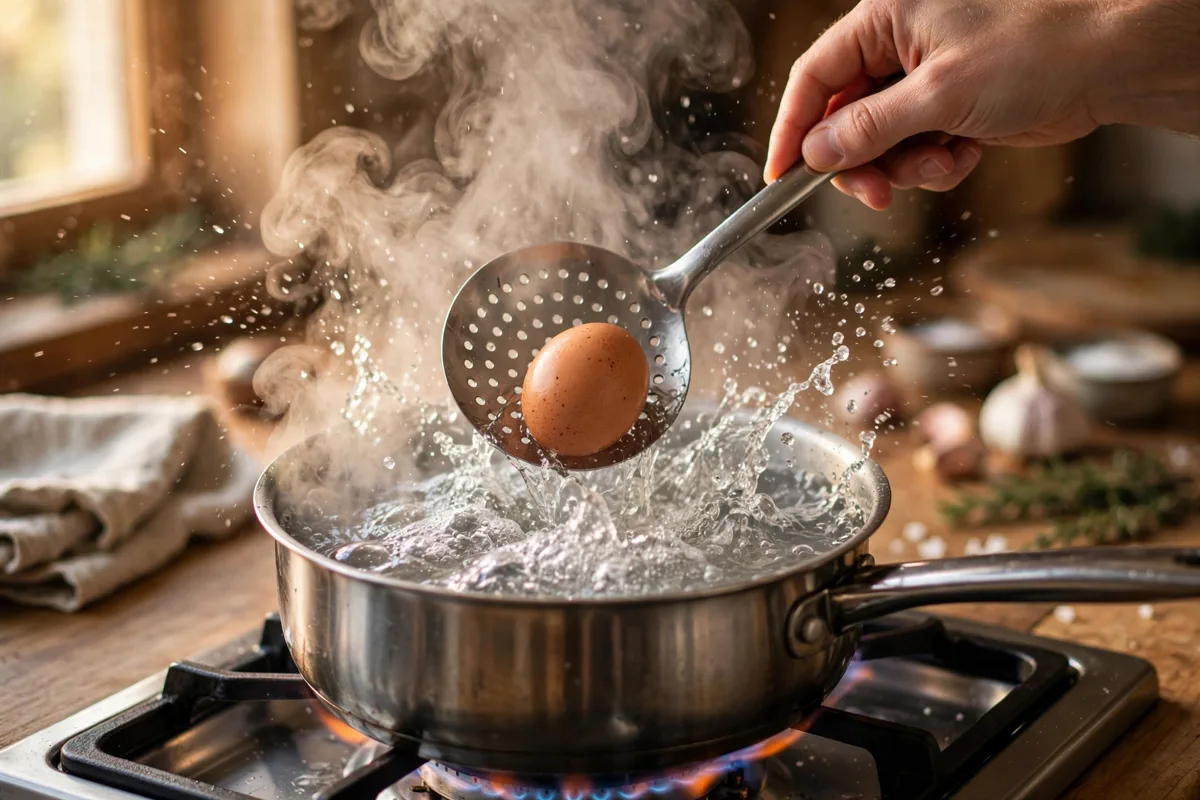
The eggs are the one part that needs your attention, and even they need only six and a half minutes. Start with a pot of water at a full rolling boil — starting the eggs in boiling water, not cold, is what makes the timing reliable and the peeling easy.
Lower each egg in gently with a slotted spoon. Cold eggs straight from the fridge work fine; just keep the water boiling. The second the eggs go in, set your timer for 6½ minutes. At that mark the whites are fully set and the yolks are jammy: firm at the edges, soft and spoonable in the center.
When the timer rings, move the eggs straight into a bowl of ice water. This part is not decoration. Eggs keep cooking from their own heat after you lift them out, and without the ice bath a jammy yolk turns chalky in about three minutes. Five minutes in ice water stops everything cold.
Peel under cool running water, starting from the wide end where the air pocket sits. If a bit of white sticks, the running water helps you slide under it. Cut each egg in half just before you plate — the yolk firms up on exposure to air, so halves that sit around lose their shine.
Labneh: What to Buy
Buy thick, full-fat labneh. Check the ingredient list: it should read like yogurt and salt, maybe with a little cream. If you can find it in a tub at a Middle Eastern grocery, that is usually the real thing — dense, spoon-stands-up thick. Some supermarket versions run loose, closer to sour cream. Those still work, but the swirls will not hold and the olive oil will slide off instead of pooling.
If yours is loose, fix it. Line a sieve with cheesecloth or a clean tea towel, set it over a bowl, and let the labneh drain in the fridge for an hour. You will lose a little whey and gain a lot of structure. This is also exactly how labneh is made from plain yogurt, so if you only have full-fat plain yogurt, drain it for 12 hours or overnight and you have made your own.
Za'atar, and How Not to Waste It
Za'atar is a blend — dried wild thyme or oregano, sumac, toasted sesame seeds, and salt — and it tastes lemony, earthy, and a little nutty. It is the defining flavor of this bowl, so buy a fresh jar. Old za'atar goes dusty and flat; fresh za'atar smells bright when you open the lid. Middle Eastern grocers sell it in bulk, which is the cheapest way to buy it.
Sprinkle it over the oiled labneh right before serving, not into the bowl ahead of time. The oil blooms the herbs and the sumac keeps its color. Stirred in and left to sit, za'atar turns muddy and the sesame goes soft. A heavy hand is right here — two tablespoons across two bowls looks like a lot in the jar and exactly right on the plate.
Building the Bowl in the Right Order
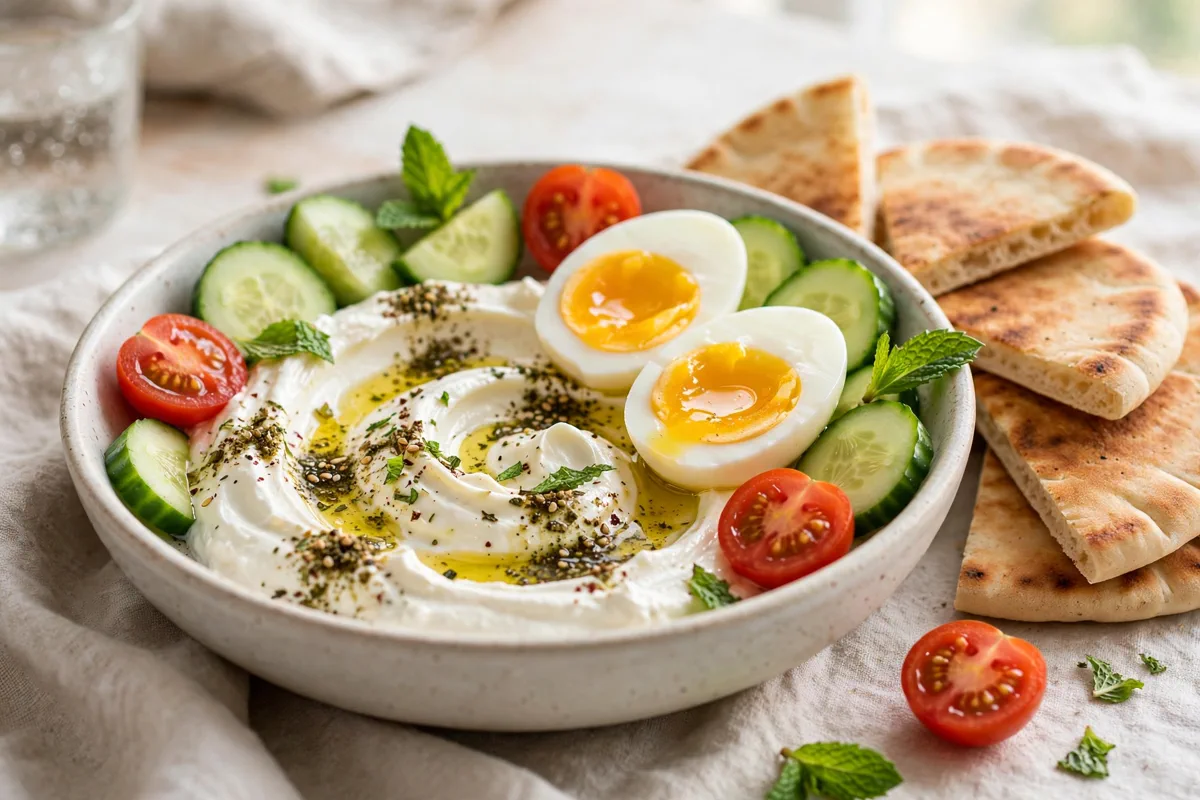
Order matters more than it looks. Start with the labneh: spoon it into wide, shallow bowls and use the back of the spoon to push it outward and leave a few swirls. The swirls are not for looks alone — they give the olive oil somewhere to pool and the za'atar something to cling to.
Next the oil, then the za'atar, then a pinch of flaky salt. Salt the labneh, not the vegetables: it seasons the base and a little of it will find its way into everything else.
Then the toppings. Halve the cherry tomatoes so their cut sides face up — they catch the oil and the salt. Cut the cucumber into half-moons so each piece is easy to pick up with bread. Lay the egg halves cut-side up last, so the yolks stay intact and glossy until the bowl hits the table.
Warm the Pita. Seriously.
Cold pita tears labneh instead of scooping it, and torn pita drops crumbs into the bowl. Warm pita is pliable and slightly steamy, and it picks up a clean swipe of labneh in one motion. Two minutes per side in a hot, dry skillet does it, or five minutes in a 350°F oven wrapped in foil if you are warming several at once.
Cut the pita into wedges rather than serving whole rounds. Wedges are easier to maneuver in a shallow bowl and each one gets a fresh edge for scooping. If your pita is the thin pocketless kind, it still works — just tear it into wide strips instead.
Make It Your Own
Once the base is right, the toppings are open season. A few that we reach for:
- Marinated olives — a small handful of Kalamata or green olives adds a briny counterpoint to the tangy labneh.
- Fresh mint or parsley — torn, not chopped, scattered over the top for a fresh green note.
- A pinch of sumac — extra lemony sharpness if your za'atar is mild.
- Chili flakes or a spoonful of chili crisp — for heat, drizzled over the eggs.
- Diced avocado — not traditional, but the creaminess fits right in.
- Toasted pine nuts — a spoonful for crunch, toasted in a dry pan until golden.
If Something Goes Wrong
Runny labneh is the most common problem, and it has two causes: a loose brand or a bowl salted too early. Drain loose labneh before you start, and always salt at the end. If the bowl has already gone thin, a spoonful of thick Greek yogurt stirred in will rescue the texture.
Chalky yolks mean the eggs went past 6½ minutes or skipped the ice bath. Next time, set the timer the moment the eggs hit the water and have the ice bath ready before they go in — not after.
Za'atar sliding off in dry patches means the oil went on too thin. Be generous: three tablespoons across two bowls is the floor, not the ceiling. The oil is doing real work here, carrying the herbs and softening the labneh's tang.
Frequently Asked Questions
Labneh is yogurt strained until thick and spreadable, a staple across the Levant. It tastes like the tangiest, creamiest yogurt you have had, and it is the traditional base of many Middle Eastern breakfasts.
Yes — full-fat strained Greek yogurt is the closest substitute. Real labneh is thicker and tangier, but Greek yogurt gets you most of the way there in this bowl.
Easy Chicken Recipes • Official Card
Labneh and Zaatar Breakfast Bowl
☆☆☆☆☆0.0 (0 reviews)•Recipe by Cooking With Guru Editorial Team•Updated: Jan 15, 2025
Thick labneh with olive oil and zaatar, jammy eggs, cucumber, tomato, and warm pita — a Middle Eastern breakfast in 17 minutes.
Prep Time10 mins
Cook Time7 mins
Total Time17 mins
Adjust Servings:
2
Ingredients
Click to check off1 cup labneh(thick full-fat; homemade or store-bought)
2 tbsps za'atar(blend of dried thyme, sumac, and toasted sesame seeds)
3 tbsps extra-virgin olive oil(plus a little extra for drizzling)
2 piece eggs(large)
1 piece cucumber(1 small Persian cucumber, cut into half-moons)
1 cup cherry tomatoes(halved)
2 piece pita bread(pocket pita, warmed before serving)
1 pinch flaky salt(or 1/4 tsp kosher salt)
Equipment Needed
- Medium saucepan
- Slotted spoon
- Bowl of ice water
- Shallow serving bowls
- Measuring cups and spoons
Instructions
Step-by-StepCWG
Recipe Source
The Cooking With Guru Team
Our recipes are developed and checked by the Cooking With Guru team. Nutrition figures are estimates calculated from USDA data, and yields scale with the built-in portion tools so the recipe fits your kitchen.
More breakfast recipes to try!
🍽️
Turkish Menemen: One-Pan Eggs in Spicy Tomato Sauce
🍽️
High-Protein Cottage Cheese Egg Bake with Spinach
🍽️
Easy Chicken Congee Recipe with Crispy Garlic and Chili Oil
Comments & Questions (0)
Join the conversationNo comments yet!
Be the first to leave a comment or ask a question about Labneh and Zaatar Breakfast Bowl.