🍽️
Prep time15 mins
Cook time25 mins
Ingredients11
breakfasteasy
Apple Cinnamon Baked Oatmeal Cups
Published: Jan 15, 2025
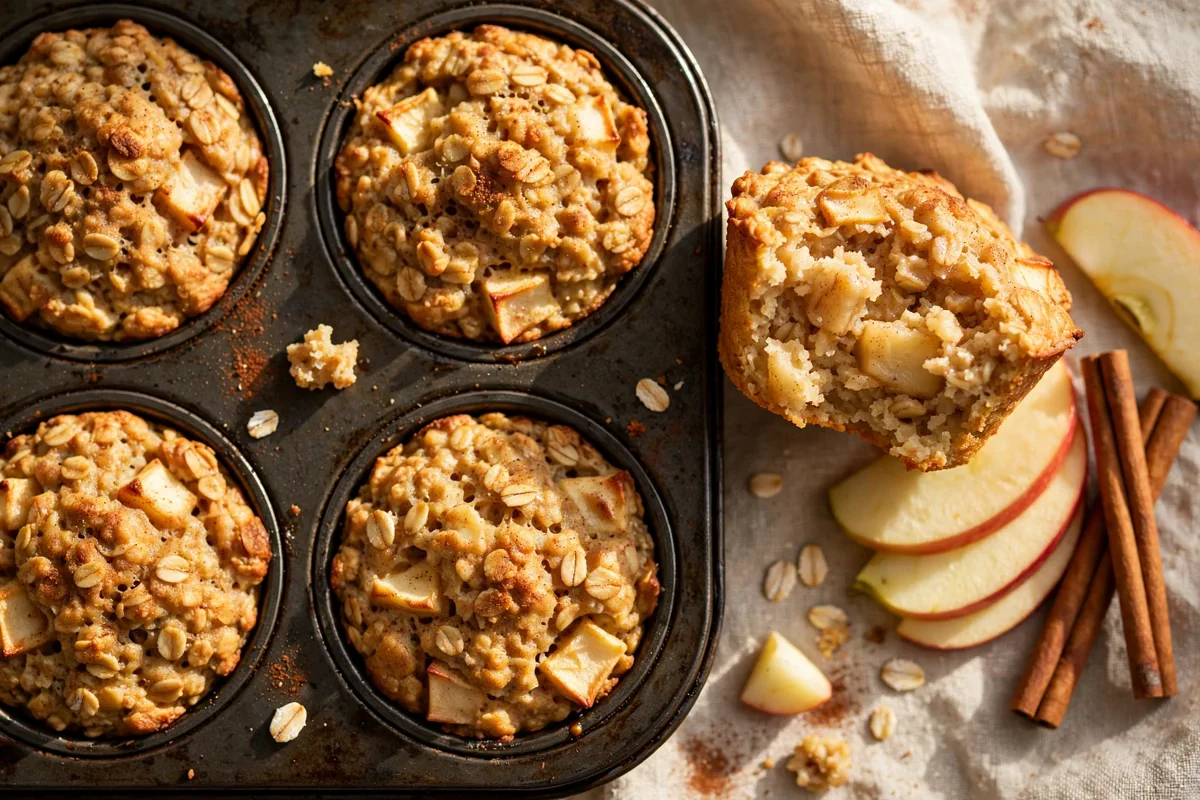
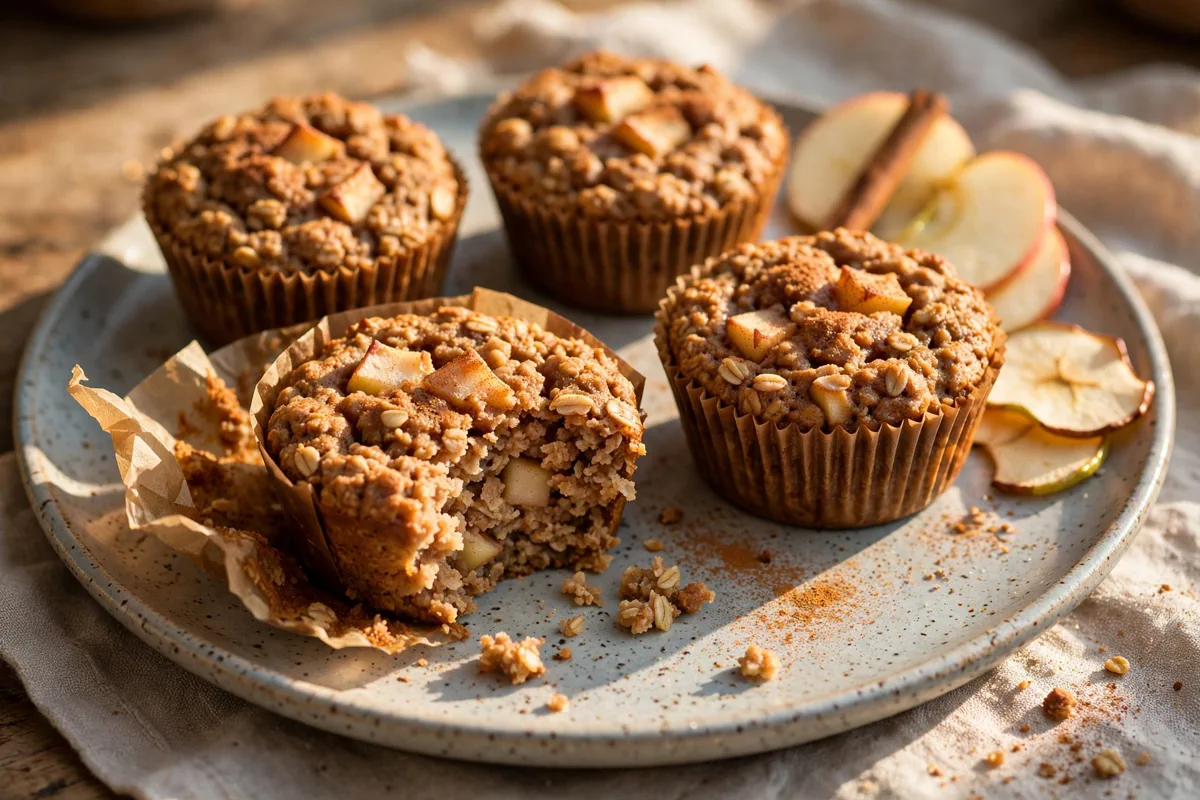
Portable apple cinnamon baked oatmeal cups: diced apple, warm cinnamon, and rolled oats baked into grab-and-go breakfast portions. Meal-prep friendly.
Portable apple cinnamon baked oatmeal cups: diced apple, warm cinnamon, and rolled oats baked into grab-and-go breakfast portions. Meal-prep friendly.
If you are looking for an ultra-satisfying, restaurant-quality meal that comes together with minimal effort, this Apple Cinnamon Baked Oatmeal Cups is about to become your new favorite. Everything is cooked to juicy, golden perfection with wholesome ingredients and incredible depth of flavor.
One simple tip!
Do not use steel-cut oats here. They stay hard and gritty in this ratio of liquid to grain. Old-fashioned rolled oats are the whole reason the cups hold together.
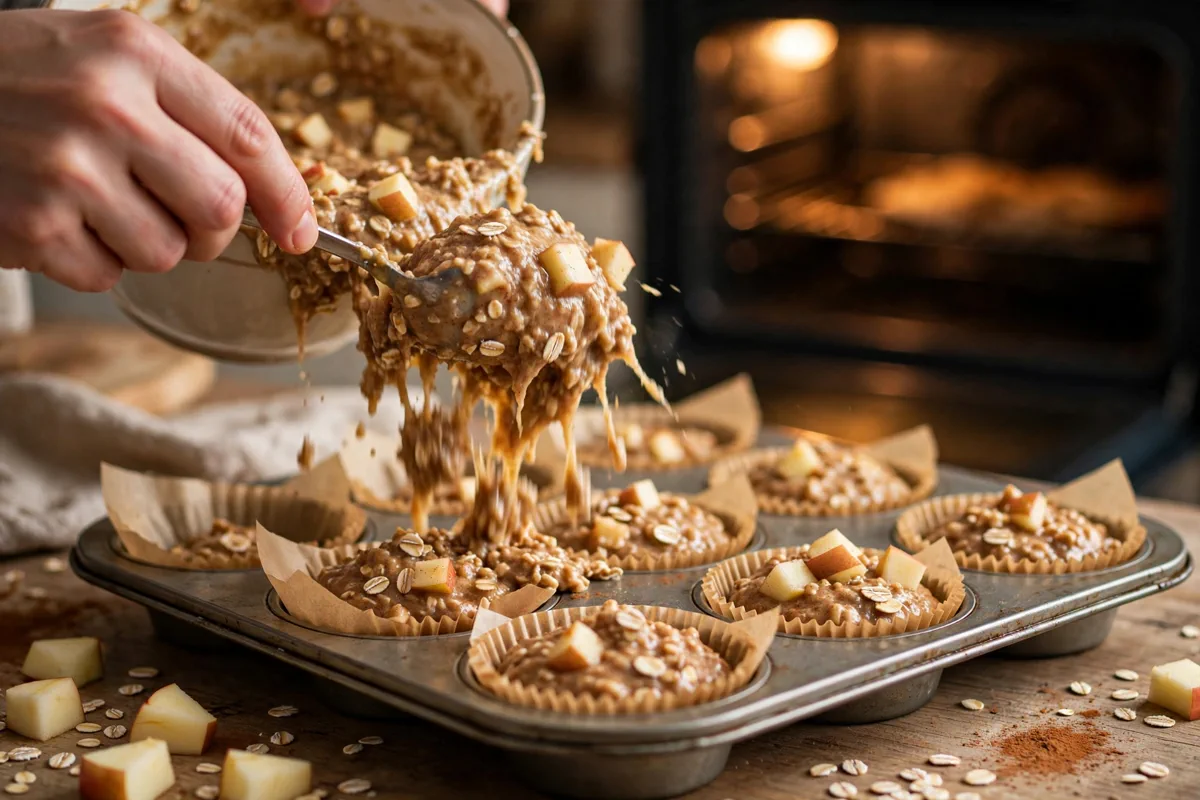
Step-by-Step Photos
Why You’ll Love This Recipe
Quick & EffortlessReady in just 40 minutes total with straightforward, foolproof prep.
Packed with Deep FlavorCarefully balanced with rolled oats, apple, milk for maximum satisfaction.
Family & Crowd FriendlyMakes 12 generous servings that can be effortlessly doubled or scaled using our smart scaler.
Made From ScratchReal ingredients and straightforward home cooking, with no shortcuts on flavor.
Ingredients Notes & Variations
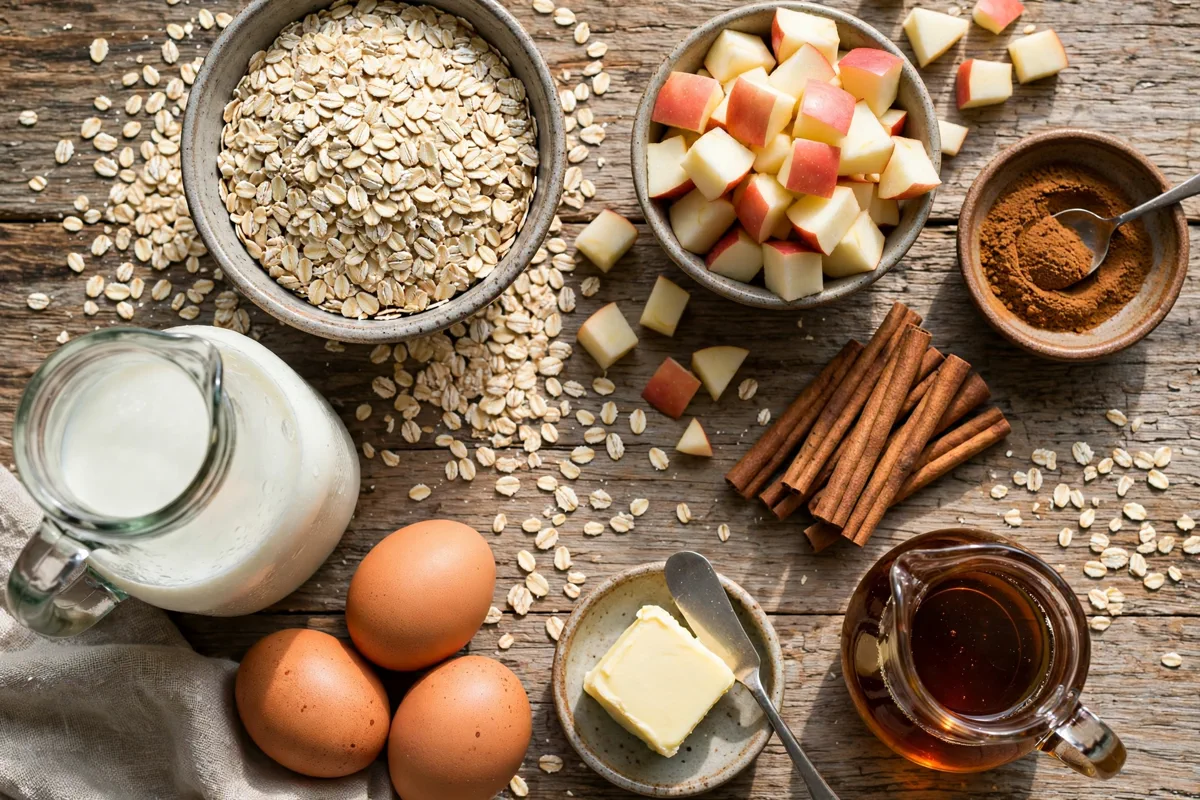
Here is an overview of what you will need for this recipe. Be sure to scroll down to the printable recipe card below for exact scaled measurements!
rolled oats
2 cupold-fashioned, not quick or steel-cut
apple
1 piece1 medium, peeled and diced into 1/4-inch pieces
milk
1 cupwhole or 2%, or any unsweetened plant milk
eggs
2 piecelarge, at room temperature
pure maple syrup
0.25 cupor honey
unsalted butter
2 tbspmelted and slightly cooled
baking powder
1 tspground cinnamon
1 tspvanilla extract
1 tspfine salt
0.25 tspbrown sugar
2 tbspfor sprinkling on top before baking, optional
How to Make (Step-by-Step Overview)
Here is a quick summary of the preparation process. Detailed cooking temperatures and step timers are included in the recipe card below.
1
Look for: Oven thermometer or indicator confirms 350°F
2
Look for: Dry mix looks uniform with no pale pockets of baking powder
3
Look for: Mixture is smooth and slightly frothy with no egg streaks
4
Look for: Batter is loose and wet; every oat looks damp
5
Look for: Batter thickens noticeably and holds a spoon mark
6
Look for: Each cup is about 3/4 full and levels flat on top
7
Look for: Tops turn deep golden brown; a toothpick comes out with moist crumbs, not wet batter
8
Look for: Cups release cleanly from the liners and feel firm on the bottom
Our Pro Tips for Success
- •Do not use steel-cut oats here. They stay hard and gritty in this ratio of liquid to grain. Old-fashioned rolled oats are the whole reason the cups hold together.
- •The 10-minute rest before scooping matters more than it looks. It lets the oats hydrate, which is what keeps the cups from crumbling when you unwrap them.
- •Fill the cups all the way. Baked oatmeal rises only a little, so underfilled cups bake into dry, thin hockey pucks instead of soft centers.
- •Peel the apple. The skin loosens in the oven and leaves papery strips in the crumb. A quick peel takes a minute and the texture is much better.
- •Bake on the middle rack. On the bottom rack the sugars in the apple pieces scorch against the tin before the centers set.
Storage & Make-Ahead Instructions
Refrigerator:Store leftovers in an airtight container for up to 3 to 4 days.
Freezer:Freeze in freezer-safe containers or bags for up to 2 months. Thaw overnight in the fridge.
Reheating:Reheat gently in a 350°F oven or covered skillet with a splash of broth until heated through.
Interactive Kitchen Assistant Live Smart Scaler
Our Recipe Precision Calculators
Calculate exact roasting times, internal temperatures, brining ratios, and safe thaw windows.
2.5 lbs (1.13 kg)
Recommended Timing & Thermals
Est. Cook Time45 mins
Rest Period7 mins
Pull From Heat160°F (71°C)
Final Carryover165°F (74°C)
Insert meat thermometer into thickest center without touching bone for 100% juicy safety.
Apple cinnamon baked oatmeal cups are individual portions of baked oatmeal: rolled oats, diced apple, egg, and milk baked in a muffin tin into firm, portable cups with a soft, spoonable center. Each cup is its own serving, so there is no slicing, no serving dish, and no argument about portion size. They keep for five days in the fridge and reheat in under a minute, which is why they fit the meal-prep week better than a casserole pan of baked oatmeal ever could.
What makes the cup format different from a casserole
A pan of baked oatmeal cuts into squares that crumble at the edges and need a bowl and a fork. Cups come with a wrapper. You can eat one walking to the train, pack two in a lunchbox, or hand one to a kid who is already late. The format also fixes the biggest problem with baked oatmeal, which is that the outer pieces dry out while the center stays soft. In a muffin cup, every piece is an edge piece, so the whole batch bakes evenly.
The other difference is portion control without thinking about it. Scooping twelve even cups from one batch means each serving is the same, which matters if you are counting on this for weekday breakfasts. A 9x13 pan cut into vague squares drifts a lot more.
How the batter sets into a cup that holds its shape
The structure here comes from three things working together: egg protein, oat starch, and the rest time. When the oats sit in the liquid for ten minutes, their starches start to absorb it and swell. In the oven, the egg sets around those swollen oats and the starches gelatinize, which locks everything into a firm cup with a tender interior.
This is why the rest step is not optional. Skip it and the batter hits the oven too loose: the egg sets before the oats have absorbed enough liquid, and the cups crumble when you unwrap them. If you are in a hurry, five minutes of rest beats none, but ten is the sweet spot.
The role of fat and sugar in the texture
Two tablespoons of butter sounds like almost nothing in twelve cups, and it is. It is there for flavor and for the slightly crisped top, not richness. The maple syrup does double duty: it sweetens and its sugars help the tops brown and caramelize in the last few minutes. If you cut the syrup further, the cups taste flat, not just less sweet, because browning and sweetness are linked in the oven.
Picking the right apple
Use a firm apple that holds its shape in heat. Honeycrisp, Gala, Fuji, and Braeburn all stay in distinct pieces instead of melting into mush. Soft apples like Red Delicious break down and make the cups wet in spots. Tart apples like Granny Smith work if you like a sharper flavor, though they can taste a little aggressive against the cinnamon.
Dice small, about a quarter inch. Big chunks create steam pockets that leave hollows in the cup. Small pieces distribute evenly and soften all the way through, so every bite has apple in it.
Getting the cinnamon right
One teaspoon of ground cinnamon for twelve cups reads as warm, not spicy. If you love cinnamon-forward breakfasts, you can push it to a heaped teaspoon without breaking the recipe. Ceylon cinnamon tastes milder and sweeter; cassia, the kind sold as plain cinnamon in most US stores, is punchier. Either works. What matters is that the cinnamon goes into the dry mix first and gets tossed through the oats, so it distributes instead of landing in streaks.
Common mistakes and how to avoid them
The most common failure is cups that fall apart. The fix is almost always one of three things: resting the batter, using rolled oats instead of quick or steel-cut, and cooling the cups in the tin for ten minutes before moving them. Cooling in the tin matters because the binding is still setting as the temperature drops. Pull them early and they shear at the bottom.
The second mistake is dry cups. That usually means overbaking or underfilling the cups. Start checking at 24 minutes. The centers should feel set when pressed lightly but still give a little, because they firm up as they cool. An extra three minutes turns the soft center into a dry one.
The third mistake is sticking, which happens when liners are skipped or when the cups go into a cold, greasy tin. Liners are the reliable route. If you bake directly in the tin, grease it generously and let the cups cool fully before trying to release them.
Freezer and meal-prep notes
These freeze better than almost any other baked breakfast we make. Wrap each cooled cup individually in plastic or foil, then freeze the wrapped cups in a bag. They keep three months. To serve from frozen, microwave one for about a minute and a half, or leave it on the counter overnight and reheat normally in the morning.
For the work week, bake a batch Sunday, refrigerate, and eat them cold or reheated. Cold they taste like a dense, chewy oatmeal cookie; reheated they soften back toward the fresh-baked texture. Both are good, so this is genuinely a preference question.
Add-ins that work and ones that do not
Chopped walnuts or pecans are the best add-in here: half a cup folded in with the apple gives crunch and keeps the cups interesting past day three. Dried fruit works too, but keep it to a third of a cup; dried cranberries or raisins plump up in the batter and can make the cups too sweet if you go past that. Chocolate chips are popular in baked oatmeal cups, and they melt fine, though the apple and cinnamon combination is strong enough that chocolate fights it instead of joining it.
What does not work: fresh berries as a swap for the apple without adjusting anything else. Blueberries and raspberries release a lot of juice, and the cups bake up wet in the middle. If you want berries, add a tablespoon of extra oats to the dry mix to absorb the difference.
Serving ideas beyond the plain cup
Straight from the fridge with coffee is the intended use, and most of them will disappear that way. For a slower weekend breakfast, split a warm cup and spread it with peanut butter or almond butter; the warm oatmeal melts the nut butter into the crumb and it tastes like a completely different dish. A spoonful of plain yogurt on top turns one cup into a more substantial breakfast with extra protein.
Kids tend to eat these plain, which is fine, though a drizzle of extra maple syrup at the table goes a long way toward making a health-conscious breakfast feel like a treat. Adults who want more staying power can crumble a cup into a bowl of yogurt, which stretches the portion and adds protein without a second recipe.
Frequently Asked Questions
Yes, by any reasonable definition. Each cup is about 145 calories with whole-grain oats, real fruit, and modest added sugar from the maple syrup. The context that matters is what you compare them to: they hold up well against most breakfast bars and muffins.
Yes, two ways. You can mix the batter, cover it, and refrigerate it overnight, then scoop and bake in the morning with 2 extra minutes of bake time. Or bake the cups fully and store them cold; they reheat in under a minute and are built for exactly that.
Easy Chicken Recipes • Official Card
Apple Cinnamon Baked Oatmeal Cups
☆☆☆☆☆0.0 (0 reviews)•Recipe by Cooking With Guru Editorial Team•Updated: Jan 15, 2025
Portable apple cinnamon baked oatmeal cups: diced apple, warm cinnamon, and rolled oats baked into grab-and-go breakfast portions. Meal-prep friendly.
Prep Time15 mins
Cook Time25 mins
Total Time40 mins
Adjust Servings:
12
Ingredients
Click to check off2 cups rolled oats(old-fashioned, not quick or steel-cut)
1 piece apple(1 medium, peeled and diced into 1/4-inch pieces)
1 cup milk(whole or 2%, or any unsweetened plant milk)
2 piece eggs(large, at room temperature)
1/4 cup pure maple syrup(or honey)
2 tbsps unsalted butter(melted and slightly cooled)
1 tsp baking powder
1 tsp ground cinnamon
1 tsp vanilla extract
1/4 tsp fine salt
2 tbsps brown sugar(for sprinkling on top before baking, optional)
Equipment Needed
- 12-cup standard muffin tin
- Mixing bowls
- Measuring cups and spoons
- Whisk
- Paper or silicone muffin liners
Instructions
Step-by-StepCWG
Recipe Source
The Cooking With Guru Team
Our recipes are developed and checked by the Cooking With Guru team. Nutrition figures are estimates calculated from USDA data, and yields scale with the built-in portion tools so the recipe fits your kitchen.
More breakfast recipes to try!
🍽️
Turkish Menemen: One-Pan Eggs in Spicy Tomato Sauce
🍽️
High-Protein Cottage Cheese Egg Bake with Spinach
🍽️
Easy Chicken Congee Recipe with Crispy Garlic and Chili Oil
Comments & Questions (0)
Join the conversationNo comments yet!
Be the first to leave a comment or ask a question about Apple Cinnamon Baked Oatmeal Cups.