Christmas Cinnamon Rolls: The Softest, Gooiest Holiday Morning Treat
Published: Jan 15, 2025
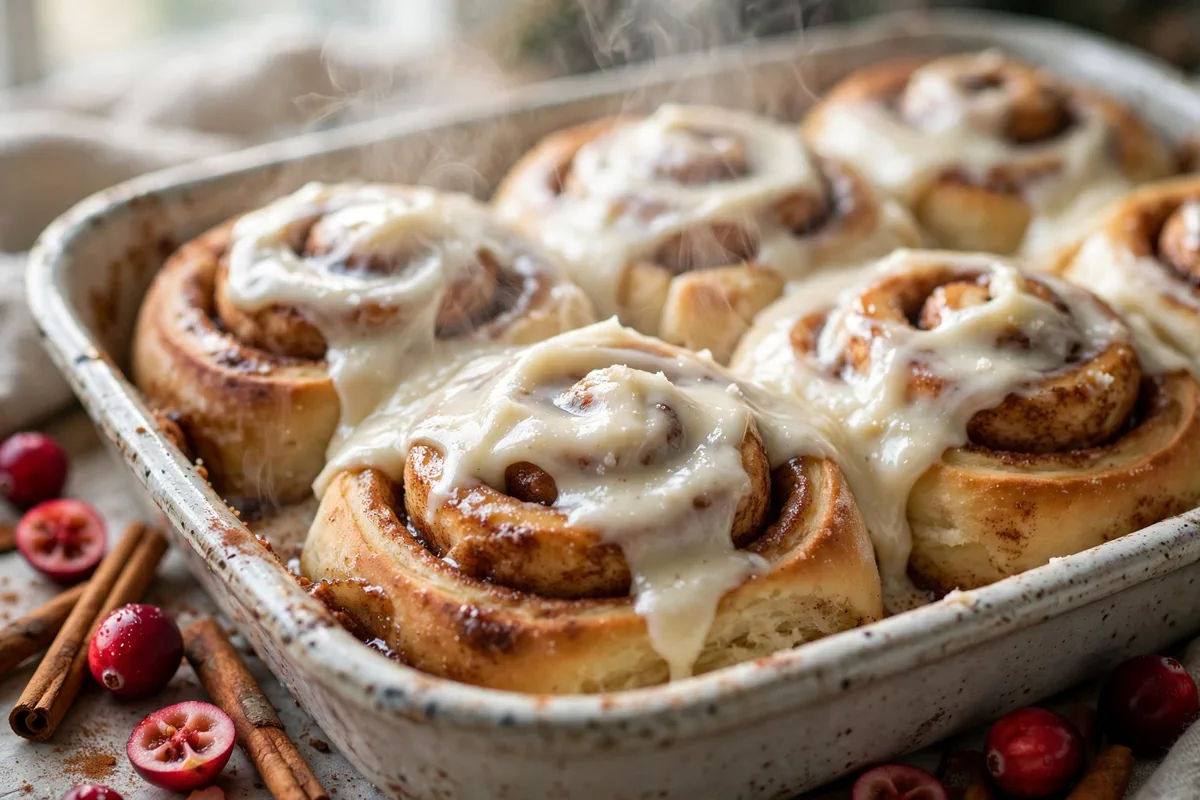
Soft, gooey Christmas cinnamon rolls with brown sugar, orange zest, and cranberries under cream cheese frosting. Make them the night before.
Soft, gooey Christmas cinnamon rolls with brown sugar, orange zest, and cranberries under cream cheese frosting. Make them the night before.
If you are looking for an ultra-satisfying, restaurant-quality meal that comes together with minimal effort, this Christmas Cinnamon Rolls: The Softest, Gooiest Holiday Morning Treat is about to become your new favorite. Everything is cooked to juicy, golden perfection with wholesome ingredients and incredible depth of flavor.
One simple tip!
Check the milk temperature before adding the yeast. Milk hotter than 46°C (115°F) kills the yeast and the dough will not rise, while milk cooler than 38°C (100°F) just makes the rise slower.
Step-by-Step Photos
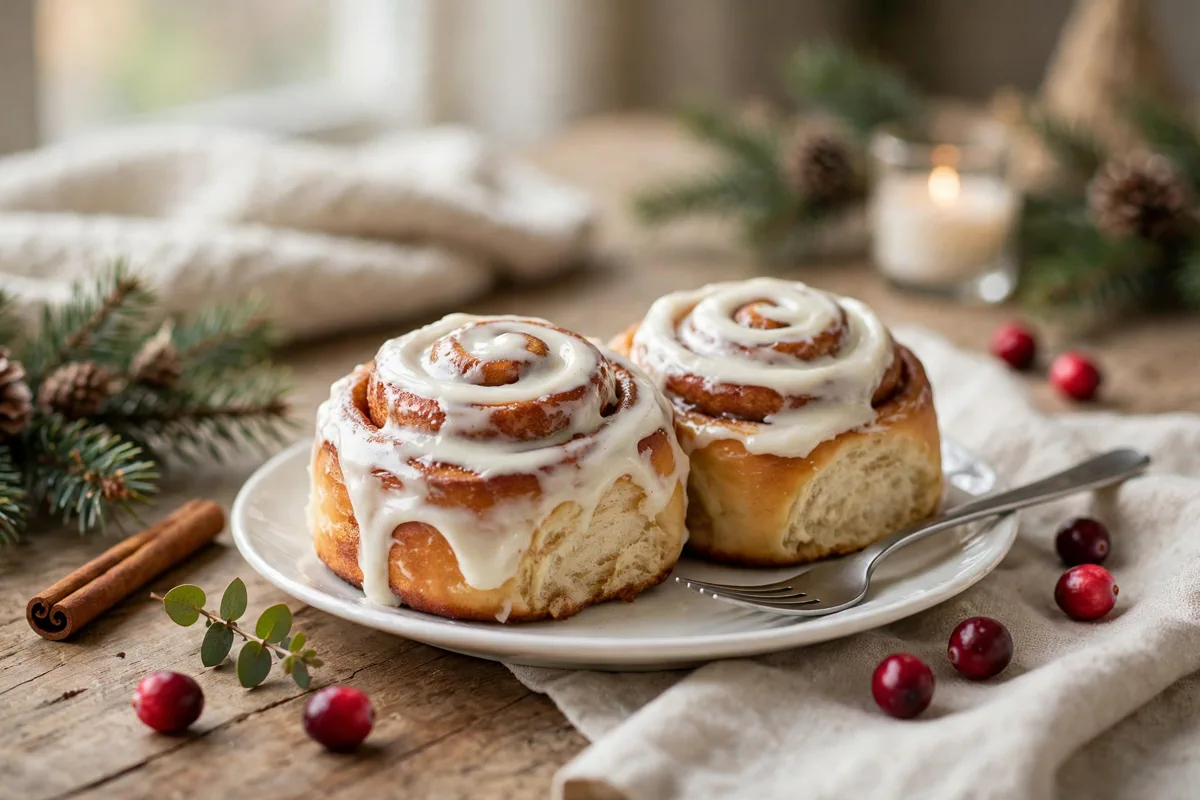
Why You’ll Love This Recipe
Ingredients Notes & Variations
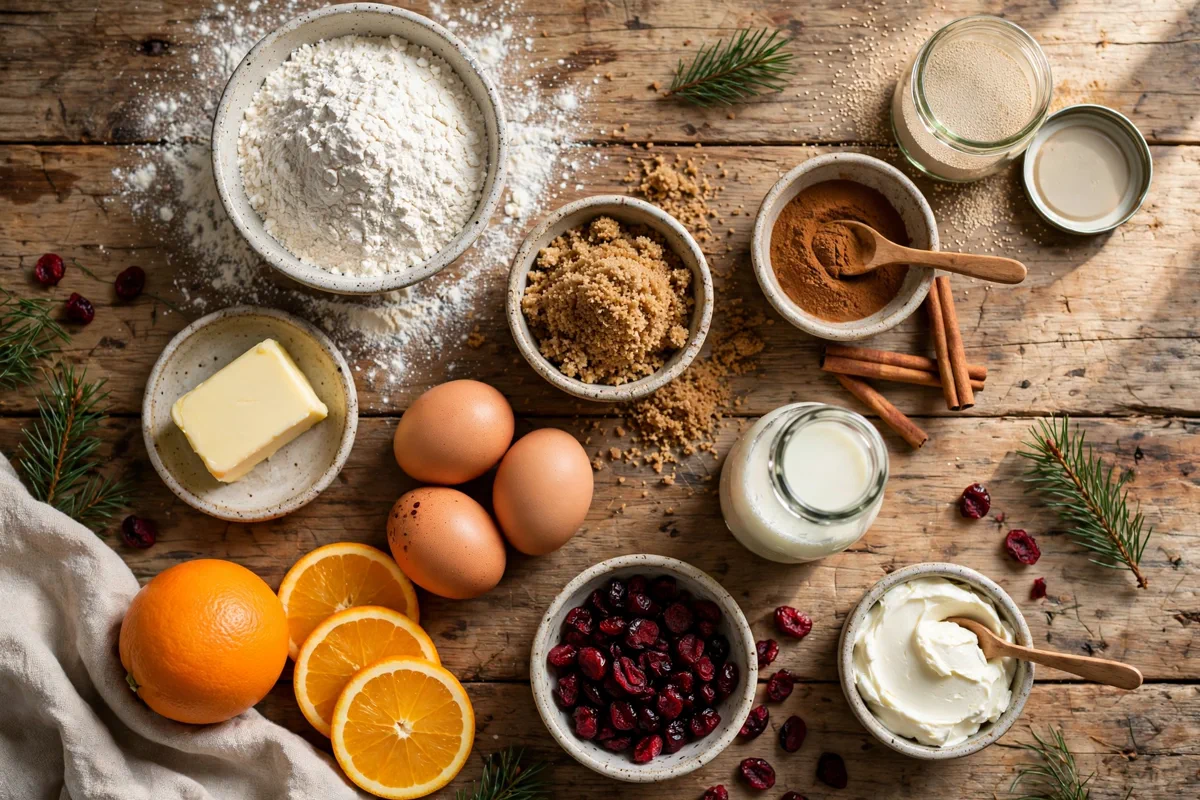
Here is an overview of what you will need for this recipe. Be sure to scroll down to the printable recipe card below for exact scaled measurements!
all-purpose flour
480 gplus extra for dusting the work surface
whole milk
240 mlwarmed to about 43°C (110°F), for the dough
active dry yeast
2.25 tspone standard packet
granulated sugar
50 gfor the dough
unsalted butter
85 gsoftened, for the dough
egg
1 piecelarge, at room temperature
salt
1 tspfine sea salt
brown sugar
200 glight brown, packed, for the filling
ground cinnamon
2 tbspfor the filling
unsalted butter
60 gvery soft, spreadable, for the filling
orange zest
1 tbspfinely grated, from about 1 large orange
dried cranberries
80 groughly chopped, for the filling
cream cheese
115 gfull-fat, at room temperature, for the frosting
unsalted butter
60 gsoftened, for the frosting
powdered sugar
120 gsifted, for the frosting
vanilla extract
1 tspfor the frosting
whole milk
2 tbspfor thinning the frosting, add a little at a time
How to Make (Step-by-Step Overview)
Here is a quick summary of the preparation process. Detailed cooking temperatures and step timers are included in the recipe card below.
Warm the milk to about 43°C (110°F), warm to the touch but not hot, then stir in the yeast and 1 tablespoon of the granulated sugar. Let it sit until foamy on top.
Tip the flour, remaining sugar, and salt into a large bowl and stir once to combine. Pour in the foamy yeast mixture, the softened butter, and the egg.
Mix with a wooden spoon until a shaggy dough forms, then turn it onto a lightly floured surface and knead until smooth and springy when poked.
Shape the dough into a ball, place it in a lightly oiled bowl, cover with a clean towel, and leave in a warm spot until doubled in size.
Stir the brown sugar and cinnamon together in a small bowl. Punch the risen dough down and roll it out on a floured surface into a rectangle about 45 by 30 cm (18 by 12 inches).
Spread the very soft butter over the whole rectangle, right to the edges, then scatter the cinnamon sugar evenly over the butter. Sprinkle the orange zest and chopped cranberries over the top.
Roll the rectangle up tightly from the long edge, keeping the roll even as you go, and pinch the seam closed underneath.
Cut the log into 12 even slices with a sharp serrated knife or unflavoured dental floss, using a gentle sawing motion so the spirals keep their shape.
Arrange the slices cut-side up in a buttered 33 by 23 cm (13 by 9 inch) baking dish with a little space between them. Cover and let them rise again until puffy and touching.
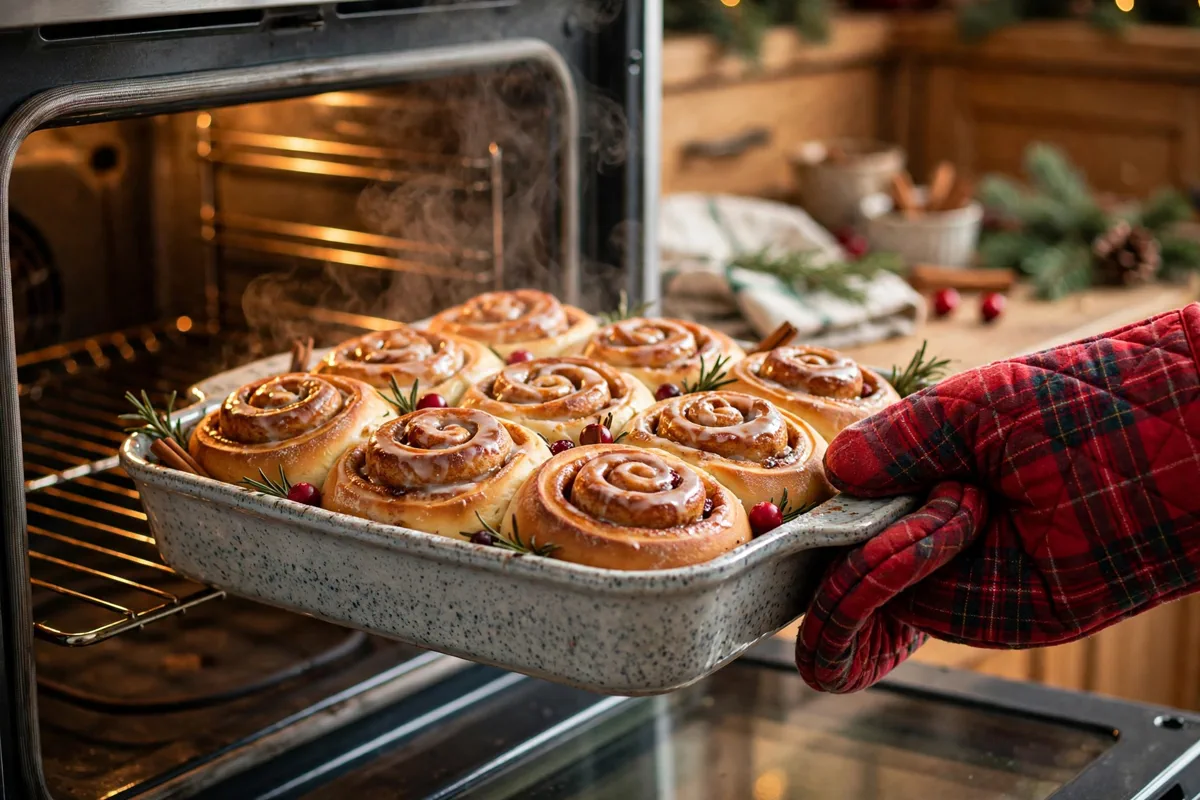
Heat the oven to 175°C (350°F). Bake the rolls until the tops are golden and the centers reach about 88°C (190°F) on a thermometer, or a skewer in the middle comes out without wet dough.
While the rolls bake, beat the cream cheese and softened butter together until smooth, then beat in the powdered sugar, vanilla, and milk a spoonful at a time until the frosting spreads easily.
Spread the frosting over the rolls while they are still warm, so it melts into the swirls, then serve straight from the dish.
Our Pro Tips for Success
- •Check the milk temperature before adding the yeast. Milk hotter than 46°C (115°F) kills the yeast and the dough will not rise, while milk cooler than 38°C (100°F) just makes the rise slower.
- •Use butter that is soft enough to spread with a knife, not melted. Melted butter soaks straight into the dough and the cinnamon sugar slides off when you roll it up.
- •Cut with floss or a serrated knife and do not press down. A blunt knife squashes the spiral flat, and the rolls bake up dense instead of fluffy.
- •Let the second rise do its work. If the rolls go into the oven before they look puffy and touching, they will stay small and tight in the middle.
- •Frost while the rolls are warm, not hot. If they are straight out of the oven the frosting melts off and pools in the dish; after 5 minutes it settles into the swirls instead.
Storage & Make-Ahead Instructions
Our Recipe Precision Calculators
Calculate exact roasting times, internal temperatures, brining ratios, and safe thaw windows.
Christmas cinnamon rolls are soft yeast rolls swirled with brown sugar, cinnamon, orange zest, and cranberries, baked in a dish until golden, and finished with cream cheese frosting while still warm. They are built for Christmas morning: you can shape them the night before, bake them while the coffee brews, and put a warm pan on the table. The orange zest is the part people notice first, a bright note that cuts through the sweet filling.
The dough is a straightforward enriched dough, milk, butter, egg, and a little sugar, kneaded until smooth and left to double. Nothing here needs special equipment. A bowl, a rolling pin, and a baking dish cover the whole job, and a stand mixer with a dough hook just saves your arms. The total time looks long on paper, 2 hours and 30 minutes, but most of it is the dough rising while you do something else. The hands-on work is about half an hour.
Why these rolls stay soft
Softness comes from three things: enough liquid in the dough, a full first rise, and pulling the rolls from the oven at the right moment. The milk and butter keep the crumb tender, and the sugar in the dough feeds the yeast and helps the tops brown. If the dough feels stiff while you knead, add milk a tablespoon at a time. It should feel soft and slightly tacky, not dry and firm. A dry dough makes a dry roll, and no amount of frosting fixes that.
The rise matters as much as the ingredients. An under-risen dough bakes up tight and heavy because the yeast never built enough air into it. Give the first rise a full hour in a warm spot, and look for the dough to double, not just to reach the clock. Kitchens run cold in December, so if your kitchen is chilly, set the bowl near the oven while it preheats, or inside the oven with just the light on. Warmth is the difference between an hour and ninety minutes.
The other half of softness is the bake itself. Rolls go from perfect to dry in about five minutes, so watch the tops. Golden brown on top and a center that reads about 88°C (190°F) on a thermometer means done. If you do not have a thermometer, press the center roll gently: it should spring back, and a skewer should come out without wet dough clinging to it. Pull them a minute early rather than a minute late, because they keep cooking in the hot dish for a few minutes after they leave the oven.
The Christmas filling
The filling is brown sugar and cinnamon spread over soft butter, with orange zest and chopped dried cranberries scattered on top. The brown sugar melts as the rolls bake and turns into a sticky caramel layer between the spirals. Light brown sugar is the right call here; dark brown sugar makes the filling heavier and can taste almost burnt at the edges.
Orange zest is doing more work than it looks. Cinnamon rolls can taste one-note after the third bite, and the zest gives each bite a fresh edge. Grate only the orange part of the peel, the white pith underneath is bitter, and use a fine grater so the zest spreads evenly instead of landing in clumps. One tablespoon from a large orange is about right for a full batch.
The cranberries add tart pops and a bit of red that reads as Christmas in the finished swirl. Chop them roughly so they do not roll out of the filling when you slice the log. If you are baking for people who dislike dried fruit, leave them out entirely; the rolls lose nothing structurally, and the zest carries the holiday flavor alone.
Rolling and cutting without squashing
Roll the dough into a rectangle about 45 by 30 cm (18 by 12 inches), keeping the thickness even. A rectangle with thick edges and a thin middle bakes unevenly, so check the corners and press them out with your fingers. Spread the butter right to the edges. Any bare edge is a dry edge in the finished roll.
Roll the dough up from the long side, keeping it snug but not stretched tight. A roll that is too tight squeezes the filling out the ends and bakes up dense; a roll that is too loose falls apart when you cut it. Pinch the seam closed along the bottom so the log holds its shape.
Cutting is where most rolls get ruined. A regular knife pressed straight down flattens the spiral. Use a serrated knife with a gentle sawing motion, or slide a piece of unflavoured dental floss under the log, cross the ends over the top, and pull. Floss gives the cleanest cut and costs nothing. Twelve even slices fill a 33 by 23 cm (13 by 9 inch) dish with just enough room for the second rise to push them together.
The overnight option for Christmas morning
The best thing about this recipe is how it fits Christmas morning. Nobody wants to knead dough while presents are being opened. Shape the rolls the night before, cover the dish tightly with cling film, and refrigerate. The cold slows the yeast down to almost nothing, so the rolls hold their shape overnight without over-rising.
In the morning, take the dish out and leave it on the counter for 30 minutes while the oven heats. The rolls will puff up as they warm. If your kitchen is cold, give them 45 minutes. Bake as written, adding 2 to 3 minutes if the dish still feels cold when it goes in. Frost while warm and serve straight from the dish.
One honest note: the overnight version rises a little less than the same-day version. The rolls will still be soft, just slightly less tall. For most tables that trade is worth it, because warm rolls at breakfast beat tall rolls at lunchtime.
Frosting while warm
The frosting is cream cheese, butter, powdered sugar, vanilla, and a little milk, beaten until it spreads easily. Spread it over the rolls about 5 minutes after they leave the oven. At that point the rolls are warm enough for the frosting to melt into the swirls, but not so hot that it slides straight off and pools in the dish.
If you prefer a thicker frosting layer that sits on top, wait 15 minutes instead. Either way works, it is a matter of taste. Keep the milk back until the end and add it a spoonful at a time. Too much milk turns the frosting into a glaze, which is not a disaster, it just runs off the rolls instead of staying put.
What goes wrong and how to fix it
If the dough does not rise at all, the yeast was dead or the milk was too hot. You can test the yeast first: if the milk and yeast mixture never foams after 10 minutes, the yeast is dead and you need a fresh packet before you mix the dough. Do not push on with dead yeast hoping the oven will save it. It will not.
If the filling leaks out the bottom during baking, the rolls were rolled too loosely or the dish was not buttered. The leaked sugar caramelises in the dish and the rolls stick. Line the dish with baking paper if this has happened to you before, and the rolls will lift out cleanly.
If the tops brown too fast while the centers are still doughy, cover the dish loosely with foil for the last 10 minutes. This happens most often in ovens that run hot, or when the dish sits on the top rack. Move the dish to the middle rack and trust the thermometer over the color.
- Weigh the flour if you can. Scooping from the bag packs it down and a cup can hold 30 grams more than it should, which makes a stiff dough.
- Warm the egg in a bowl of warm water for 5 minutes if it came straight from the fridge. A cold egg cools the dough and slows the first rise.
- Butter the dish well, including the corners, or line it with baking paper. The caramelised filling sticks hard to a bare dish.
Frequently Asked Questions
Yes. Assemble the rolls in the dish, cover tightly, and refrigerate overnight after the shaping step. In the morning, let them sit at room temperature for 30 minutes so they puff up again, then bake as written, adding 2 to 3 extra minutes if they still feel cold.
Dense rolls usually mean the dough did not rise long enough or the milk was too hot and killed the yeast. Let the first rise run until the dough has truly doubled, and check the milk with a thermometer or your wrist before adding the yeast.
Christmas Cinnamon Rolls: The Softest, Gooiest Holiday Morning Treat
Soft, gooey Christmas cinnamon rolls with brown sugar, orange zest, and cranberries under cream cheese frosting. Make them the night before.
Ingredients
Click to check offInstructions
Step-by-StepWarm the milk to about 43°C (110°F), warm to the touch but not hot, then stir in the yeast and 1 tablespoon of the granulated sugar. Let it sit until foamy on top.
Tip the flour, remaining sugar, and salt into a large bowl and stir once to combine. Pour in the foamy yeast mixture, the softened butter, and the egg.
0Mix with a wooden spoon until a shaggy dough forms, then turn it onto a lightly floured surface and knead until smooth and springy when poked.
Shape the dough into a ball, place it in a lightly oiled bowl, cover with a clean towel, and leave in a warm spot until doubled in size.
Stir the brown sugar and cinnamon together in a small bowl. Punch the risen dough down and roll it out on a floured surface into a rectangle about 45 by 30 cm (18 by 12 inches).
0Spread the very soft butter over the whole rectangle, right to the edges, then scatter the cinnamon sugar evenly over the butter. Sprinkle the orange zest and chopped cranberries over the top.
0Roll the rectangle up tightly from the long edge, keeping the roll even as you go, and pinch the seam closed underneath.
0Cut the log into 12 even slices with a sharp serrated knife or unflavoured dental floss, using a gentle sawing motion so the spirals keep their shape.
0Arrange the slices cut-side up in a buttered 33 by 23 cm (13 by 9 inch) baking dish with a little space between them. Cover and let them rise again until puffy and touching.
Heat the oven to 175°C (350°F). Bake the rolls until the tops are golden and the centers reach about 88°C (190°F) on a thermometer, or a skewer in the middle comes out without wet dough.
While the rolls bake, beat the cream cheese and softened butter together until smooth, then beat in the powdered sugar, vanilla, and milk a spoonful at a time until the frosting spreads easily.
0Spread the frosting over the rolls while they are still warm, so it melts into the swirls, then serve straight from the dish.
0The Cooking With Guru Team
Our recipes are developed and checked by the Cooking With Guru team. Nutrition figures are estimates calculated from USDA data, and yields scale with the built-in portion tools so the recipe fits your kitchen.
More baking recipes to try!
Comments & Questions (0)
Join the conversationNo comments yet!
Be the first to leave a comment or ask a question about Christmas Cinnamon Rolls: The Softest, Gooiest Holiday Morning Treat.
You May Also Like
Cranberry White Chocolate Scones
The Puff Pastry Christmas Tree With a Nutella Twist
Black Sesame Babka (Marbled Swirl Loaf)
Apple Fritter Bread That Tastes Like the Bakery Case
Pumpkin Cream Cheese Muffins With a Swirl in Every Bite

Cranberry Orange Holiday Punch (Easy Mocktail Pitcher)
Cranberry Orange Shortbread Bars