Crispy Mashed Potato Pancakes From Last Night's Leftovers
Published: Jan 15, 2025
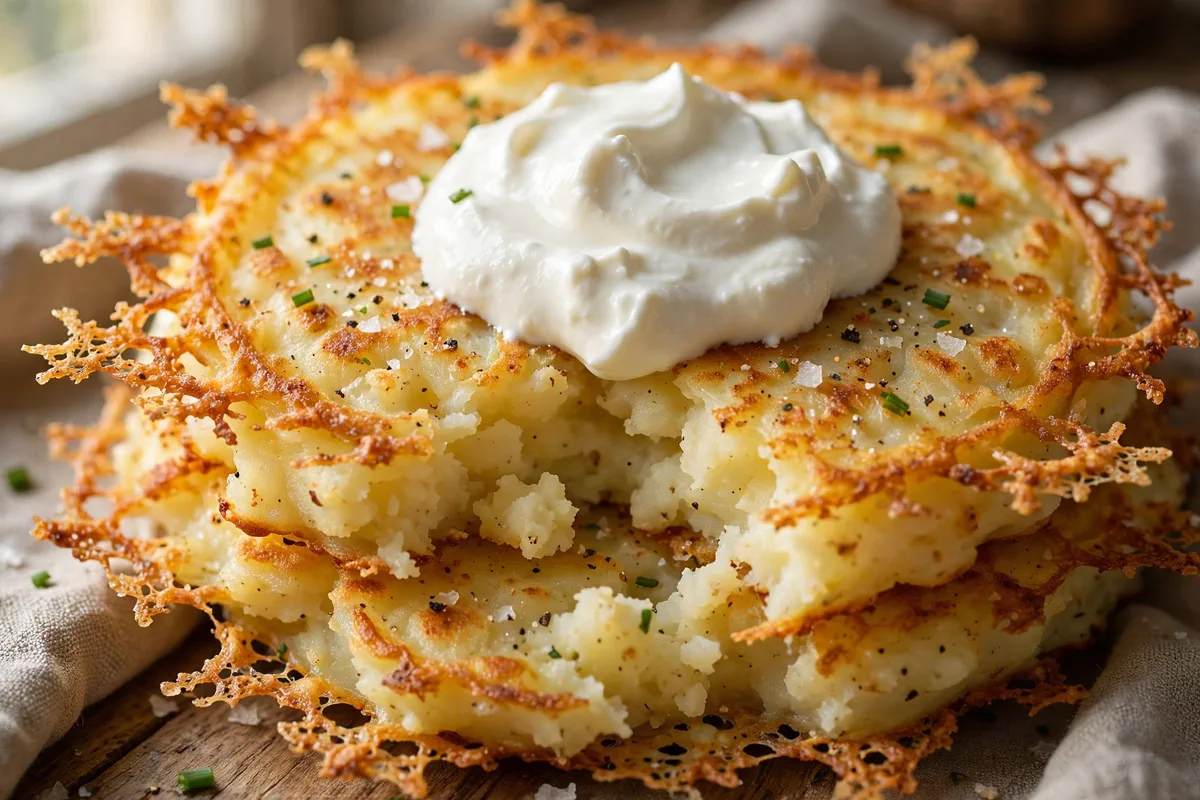
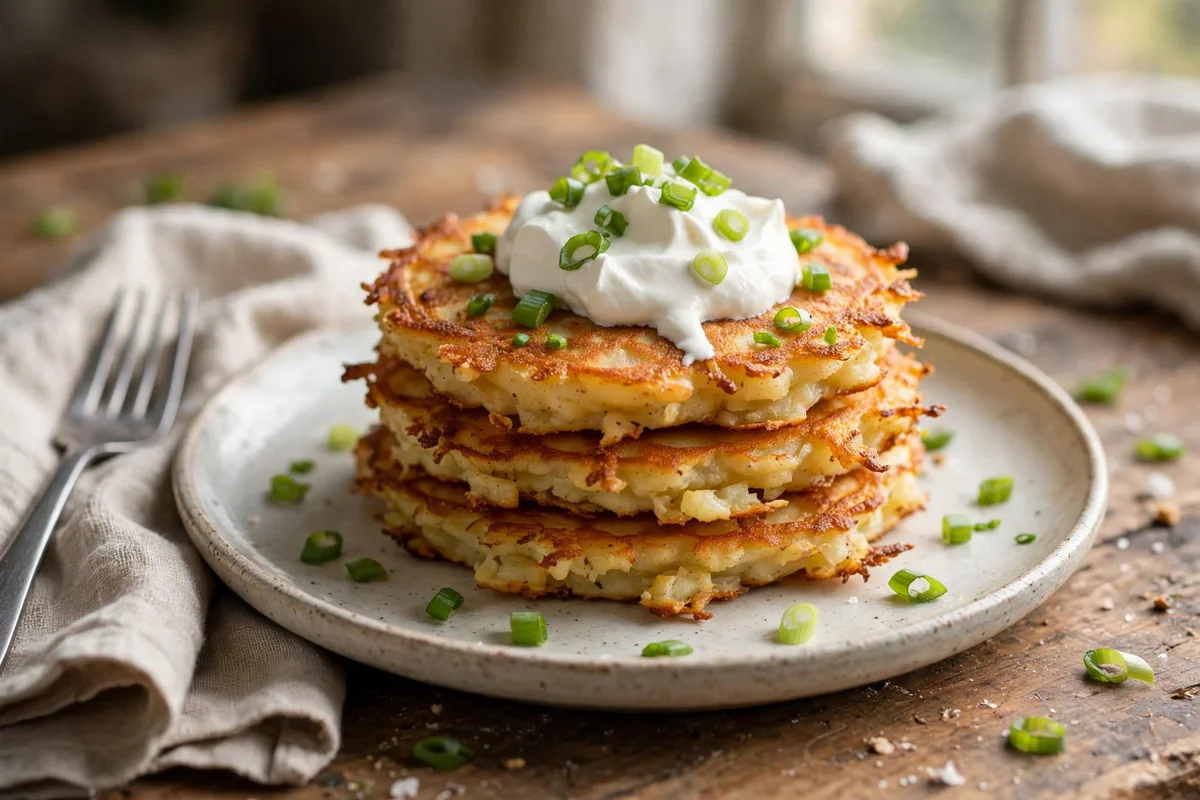
Turn last night's mashed potatoes into golden, crispy pancakes with lacy edges. Ready in 25 minutes with a sour cream dollop.
Turn last night's mashed potatoes into golden, crispy pancakes with lacy edges. Ready in 25 minutes with a sour cream dollop.
If you are looking for an ultra-satisfying, restaurant-quality meal that comes together with minimal effort, this Crispy Mashed Potato Pancakes From Last Night's Leftovers is about to become your new favorite. Everything is cooked to juicy, golden perfection with wholesome ingredients and incredible depth of flavor.
One simple tip!
Cold mashed potatoes are the whole trick. Warm mash is soft and sticky, and the patties fall apart in the pan. If yours are at room temperature, chill the shaped patties for 15 minutes before frying.
Step-by-Step Photos
Why You’ll Love This Recipe
Ingredients Notes & Variations
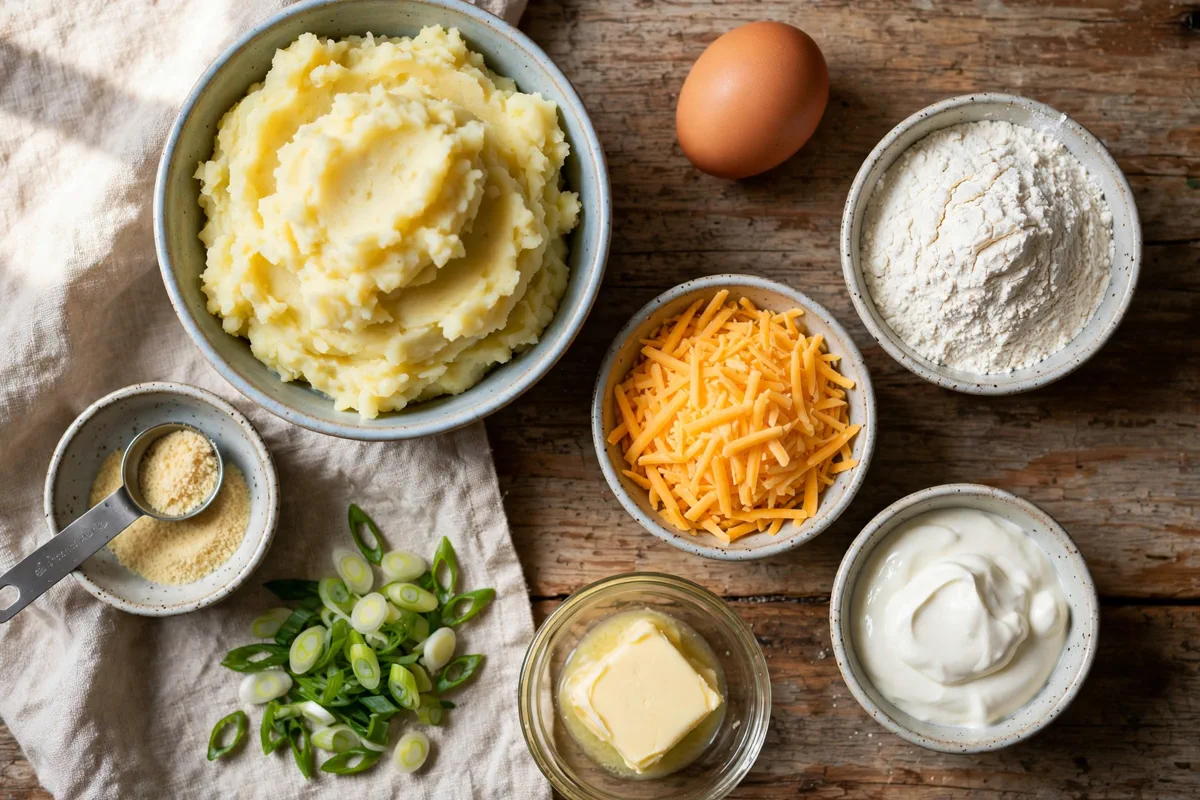
Here is an overview of what you will need for this recipe. Be sure to scroll down to the printable recipe card below for exact scaled measurements!
Leftover mashed potatoes
2 cupcold from the fridge, any style works
Large egg
1 piecebeaten
All-purpose flour
0.25 cupplus a little more if the mixture feels loose
Shredded cheddar cheese
0.5 cupsharp cheddar, freshly grated if you can
Green onions
2 piecethinly sliced, white and green parts
Garlic powder
0.5 tspSalt
0.5 tsptaste first, leftover mash is often already salted
Black pepper
0.25 tspfreshly ground
Unsalted butter
2 tbspfor frying, divided between batches
Sour cream
0.5 cupfor serving
How to Make (Step-by-Step Overview)
Here is a quick summary of the preparation process. Detailed cooking temperatures and step timers are included in the recipe card below.
Scoop the cold mashed potatoes into a large mixing bowl and break them up with a fork until they loosen into a rough, crumbly pile.
Add the beaten egg, flour, cheddar, green onions, garlic powder, salt, and black pepper. Stir with a spatula until everything is evenly mixed and the mixture holds together when you press it.
Wet your hands lightly and shape the mixture into 8 patties, each about 3 inches across and half an inch thick. Press the edges together so they do not crack in the pan.
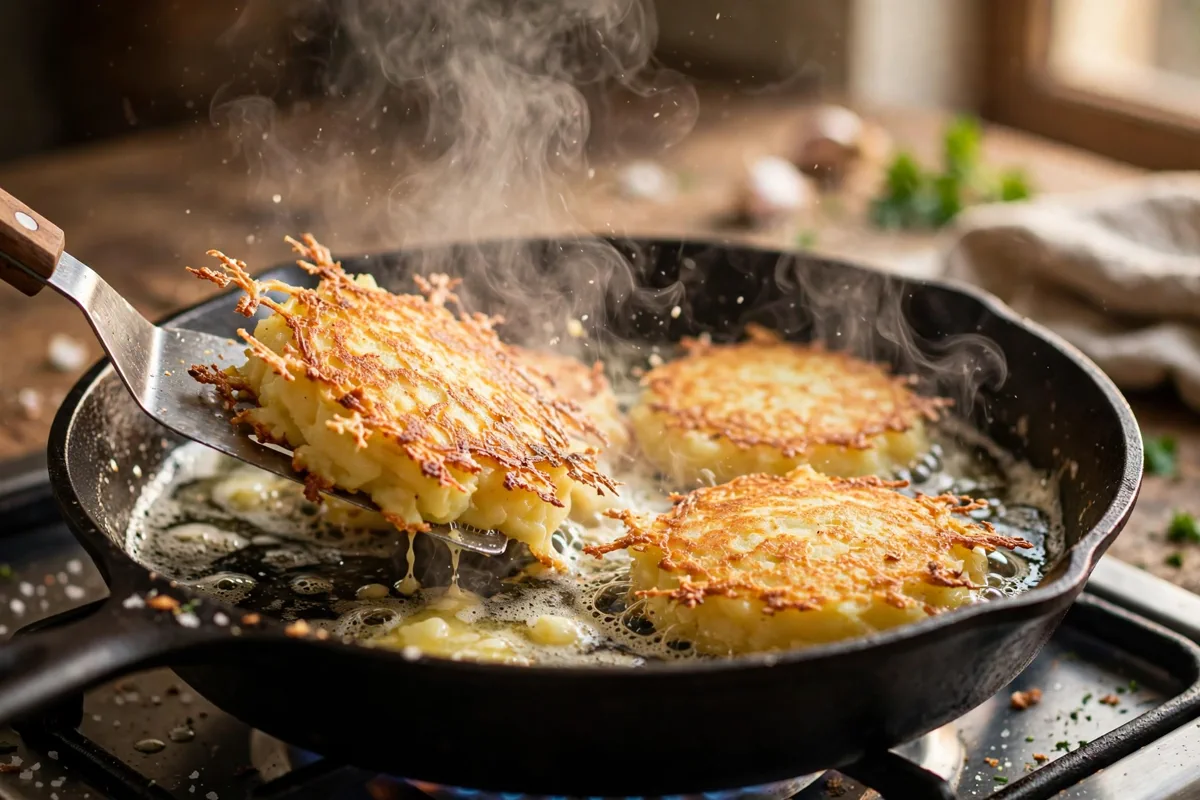
Melt 1 tablespoon of butter in a large skillet over medium heat. When the butter foams and the foam starts to settle, the pan is ready.
Lay 4 patties in the skillet, leaving space between them. Press each one down gently with the back of a spatula. Cook without moving them until the bottom is deep golden brown and crisp at the edges, about 4 minutes.
Flip each patty carefully with a thin spatula and cook the second side until it matches, about 3 to 4 minutes. Listen for the sizzle to quiet down as the crust sets.
Move the finished pancakes to a plate lined with paper towel. Add the remaining butter to the skillet and fry the second batch the same way.
Serve hot with a spoonful of sour cream on top and a few extra sliced green onions scattered over.
Our Pro Tips for Success
- •Cold mashed potatoes are the whole trick. Warm mash is soft and sticky, and the patties fall apart in the pan. If yours are at room temperature, chill the shaped patties for 15 minutes before frying.
- •Do not move the pancakes while the first side cooks. The crisp crust needs those 4 undisturbed minutes to form. Slide a thin spatula underneath and peek at one edge instead of lifting the whole patty.
- •Taste the mixture before you shape it. Leftover mash is often already salted and buttered, so you may need less salt than the recipe lists, or none at all.
- •Keep the patties thin, about half an inch. Thick patties stay soft in the middle and never get that lacy, crackly edge that makes this dish worth making.
- •Fry in batches and give each patty room. Crowding the pan drops the temperature and the pancakes steam instead of crisping.
Storage & Make-Ahead Instructions
Our Recipe Precision Calculators
Calculate exact roasting times, internal temperatures, brining ratios, and safe thaw windows.
Mashed potato pancakes are what happens when last night's mashed potatoes get a second life. You mix cold leftover mash with an egg, a little flour, cheddar, and green onions, then fry spoonfuls of it in butter until the outside turns golden and crisp while the inside stays soft and creamy. It is a 25-minute breakfast that uses up leftovers and tastes like you planned it all along.
Most of us have stood in front of the fridge the morning after a big dinner, looking at a bowl of mashed potatoes and wondering what to do with it. Reheated mash is fine, but it is never as good as it was the night before. These pancakes fix that. The hot skillet does what the microwave cannot. It turns the soft, plain surface into something with crunch and color, and the cheese inside melts into little pockets that go gooey when you cut in.
Why Cold Mash Works Better Than Fresh
The single most important detail in this recipe is the temperature of your potatoes. Cold mashed potatoes straight from the fridge hold their shape. The starch has firmed up overnight, the butter has set, and the mixture behaves more like dough than like soup.
Fresh, warm mash is the opposite. It is soft, loose, and sticky. Patties made from it slump in the pan, soak up butter, and fall apart when you try to flip them. If your only option is warm potatoes, spread them on a plate and chill them for at least 30 minutes first.
This also explains why the recipe works so well as a leftover dish rather than a from-scratch one. The overnight rest in the fridge is doing real work. It is not just about using things up. The potatoes are genuinely better for this job the next day.
What Goes Into the Mixture
Two cups of cold mashed potatoes is the base, and it makes about eight pancakes, enough for four people as a side or two people as a main. The egg binds everything together. The flour is there for structure, just a quarter cup, enough to help the patties hold without turning them heavy or pasty. The cheddar melts inside and crisps at the edges where it touches the pan. Green onions add a fresh bite that cuts through the richness.
Garlic powder, salt, and pepper round it out. The one thing to watch is the salt. Leftover mashed potatoes are almost always already salted, and sometimes generously. Taste the mixture before you shape the patties. If the mash was well seasoned last night, you may need no extra salt at all. If it was plain, the half teaspoon in the recipe is about right.
- Use a fork to break the cold mash up before adding anything else. Lumps of cold potato will not mix evenly.
- Stir until the mixture just comes together. Overmixing makes the pancakes dense.
- Wet your hands before shaping. The mixture sticks to dry hands and the patties come out ragged.
- Press the edges of each patty together as you shape it. A cracked edge is where a pancake breaks in the pan.
Getting the Crust Right
The crust is the whole point of this dish, so it is worth slowing down for. Medium heat and butter are the combination that works. The butter should foam and then settle before the patties go in. If the pan is too cool, the pancakes sit in melted butter and turn greasy. If it is too hot, the outside browns before the inside warms through and the cheese has no time to melt.
Once the patties are in the pan, leave them alone. This is the hardest part of the recipe because it feels wrong to stand there doing nothing. But the crisp edge forms during those four undisturbed minutes. The starch on the surface dries out, the cheese at the edges caramelizes, and the bottom sets into a crust you can slide a spatula under. If you poke at the pancake too early, you tear that crust before it has formed and the patty breaks.
To check progress without ruining anything, slide a thin spatula under one edge and lift it just enough to peek. You are looking for deep golden brown, not pale blonde. Dark brown at the edges with a lighter center is right. Flip once, cook the second side the same way, and move the finished pancakes to a paper towel lined plate while you fry the next batch.
How to Tell When They Are Done
A finished pancake sounds different from a raw one. The loud sizzle quiets down as the moisture leaves the surface and the crust sets. The patty feels firm when you press it gently with the spatula instead of soft and wobbly. The edges look lacy and browned, and you can see little crisp bits of cheese where the mixture met the pan. Both sides should match in color. If one side is much darker, your heat was a touch high, so turn it down a notch for the next batch.
Ways to Change It Up
The base recipe is a starting point, and it takes kindly to whatever is in the fridge. A spoonful of crumbled cooked bacon folded into the mixture makes a heartier pancake. A pinch of smoked paprika gives it a warm, smoky note. Chopped fresh herbs like chives or parsley work in place of the green onions. A spoonful of grated parmesan in the mix adds a salty crunch at the edges.
For a lighter version, skip the cheese and add an extra green onion and a spoonful of chopped herbs. The pancakes will be less rich but still crisp, and they pair well with a simple salad. For a spicier version, fold in a spoonful of finely diced jalapeño or a pinch of red pepper flakes.
What does not work is adding wet ingredients. Salsa, extra sour cream, or a runny sauce mixed into the batter makes the patties too soft to hold together. Keep the wet things on top, where they belong, and the pancakes will stay crisp underneath.
Serving Them
Sour cream is the classic topping for a reason. The cool tang balances the rich, buttery crust, and a dollop on each pancake is all you need. A few extra sliced green onions on top add color and a fresh bite. Applesauce is another good partner, especially if you grew up eating potato pancakes that way. A fried egg on top turns the plate into a full breakfast, and the runny yolk soaks into the crisp edges in the best way.
These also work as a side dish at dinner. Serve them next to roast chicken, grilled sausage, or a simple green salad. They are at their best in the first ten minutes out of the pan, while the crust is still crackly. If you need to hold them for a few minutes, set them on a wire rack in a warm oven rather than stacking them on a plate, where the steam softens the bottoms.
Storing Leftovers and Making Ahead
Cooked pancakes keep in the fridge for up to three days in an airtight container. The best way to bring them back is a dry skillet over medium heat, two to three minutes per side, which crisps the crust up again. The microwave works in a pinch but the edges go soft, so save it for days when you are short on time.
You can also freeze them. Lay the cooked pancakes in a single layer on a baking sheet, freeze until solid, then move them to a freezer bag for up to a month. Reheat from frozen in a 400°F oven for 12 to 14 minutes. They come out nearly as crisp as fresh.
To get ahead of a busy morning, shape the patties the night before and keep them covered in the fridge with parchment paper between the layers. Fry them straight from cold the next morning. The chill actually helps them hold together, so this is one of those rare recipes where making ahead makes the result better, not worse.
Why This One Is Worth Keeping
There are plenty of ways to use up leftover mashed potatoes. Most of them are fine. This one is better than fine because it changes the potatoes into something new instead of just warming them up again. The texture is different, the flavor is deeper, and the plate looks like breakfast you meant to make.
It is also a practical recipe in the way home cooking should be practical. It takes one bowl of leftovers and turns it into a meal in 25 minutes with ingredients most kitchens already have. No special shopping, no new technique to learn, nothing wasted. That is the kind of cooking that earns a place in the regular rotation, and this is the kind of recipe that does it.
Frequently Asked Questions
Yes, instant mashed potatoes work. Make them a little thicker than usual, then chill them in the fridge for at least 30 minutes before mixing so the patties hold together in the pan.
The mixture is too wet or too warm. Chill cold mash holds its shape best, so start with fridge-cold potatoes and add flour a spoonful at a time until the mixture sticks together when pressed.
Crispy Mashed Potato Pancakes From Last Night's Leftovers
Turn last night's mashed potatoes into golden, crispy pancakes with lacy edges. Ready in 25 minutes with a sour cream dollop.
Ingredients
Click to check offInstructions
Step-by-StepScoop the cold mashed potatoes into a large mixing bowl and break them up with a fork until they loosen into a rough, crumbly pile.
Add the beaten egg, flour, cheddar, green onions, garlic powder, salt, and black pepper. Stir with a spatula until everything is evenly mixed and the mixture holds together when you press it.
Wet your hands lightly and shape the mixture into 8 patties, each about 3 inches across and half an inch thick. Press the edges together so they do not crack in the pan.
Melt 1 tablespoon of butter in a large skillet over medium heat. When the butter foams and the foam starts to settle, the pan is ready.
Lay 4 patties in the skillet, leaving space between them. Press each one down gently with the back of a spatula. Cook without moving them until the bottom is deep golden brown and crisp at the edges, about 4 minutes.
Flip each patty carefully with a thin spatula and cook the second side until it matches, about 3 to 4 minutes. Listen for the sizzle to quiet down as the crust sets.
Move the finished pancakes to a plate lined with paper towel. Add the remaining butter to the skillet and fry the second batch the same way.
Serve hot with a spoonful of sour cream on top and a few extra sliced green onions scattered over.
The Cooking With Guru Team
Our recipes are developed and checked by the Cooking With Guru team. Nutrition figures are estimates calculated from USDA data, and yields scale with the built-in portion tools so the recipe fits your kitchen.
More breakfast recipes to try!
Comments & Questions (0)
Join the conversationNo comments yet!
Be the first to leave a comment or ask a question about Crispy Mashed Potato Pancakes From Last Night's Leftovers.
You May Also Like
Taiwanese Dan Bing Recipe (Egg Pancakes)
High-Protein Cottage Cheese Egg Bake with Spinach
Christmas Morning Breakfast Casserole
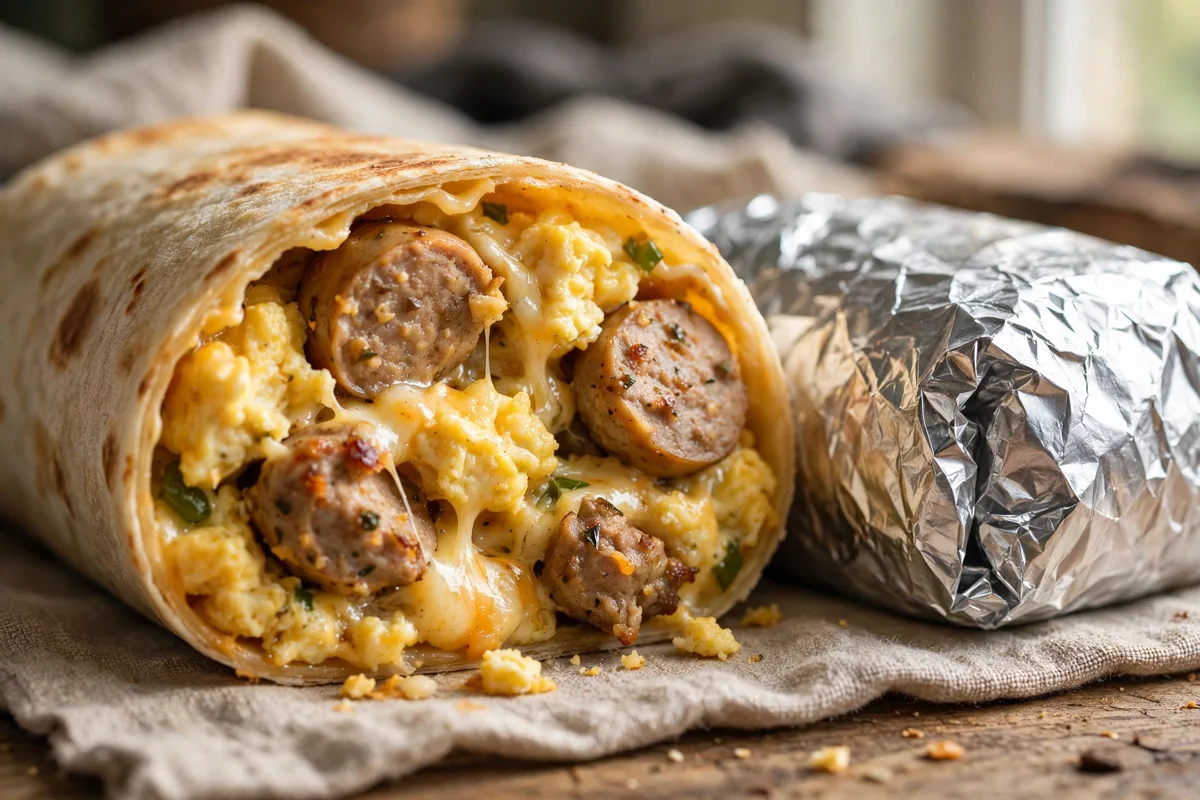
High-Protein Breakfast Burritos You Can Freeze for Weeks
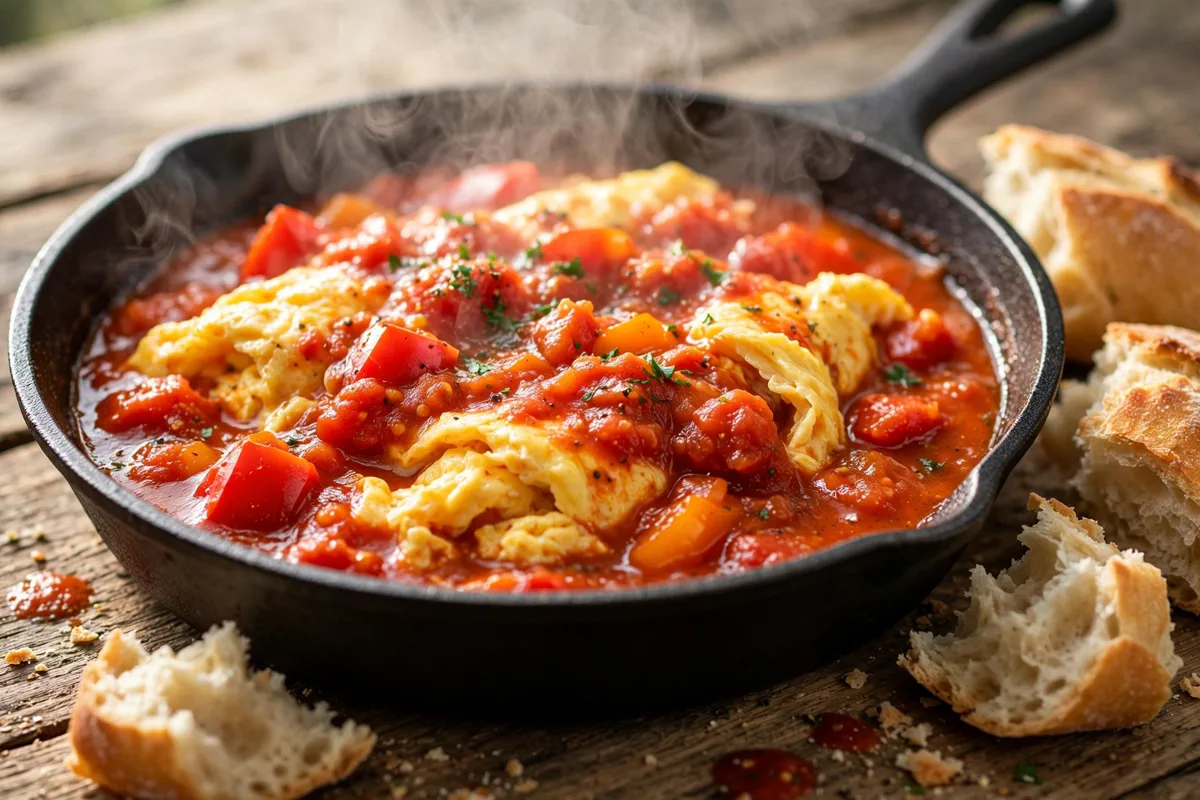
Turkish Menemen: One-Pan Eggs in Spicy Tomato Sauce
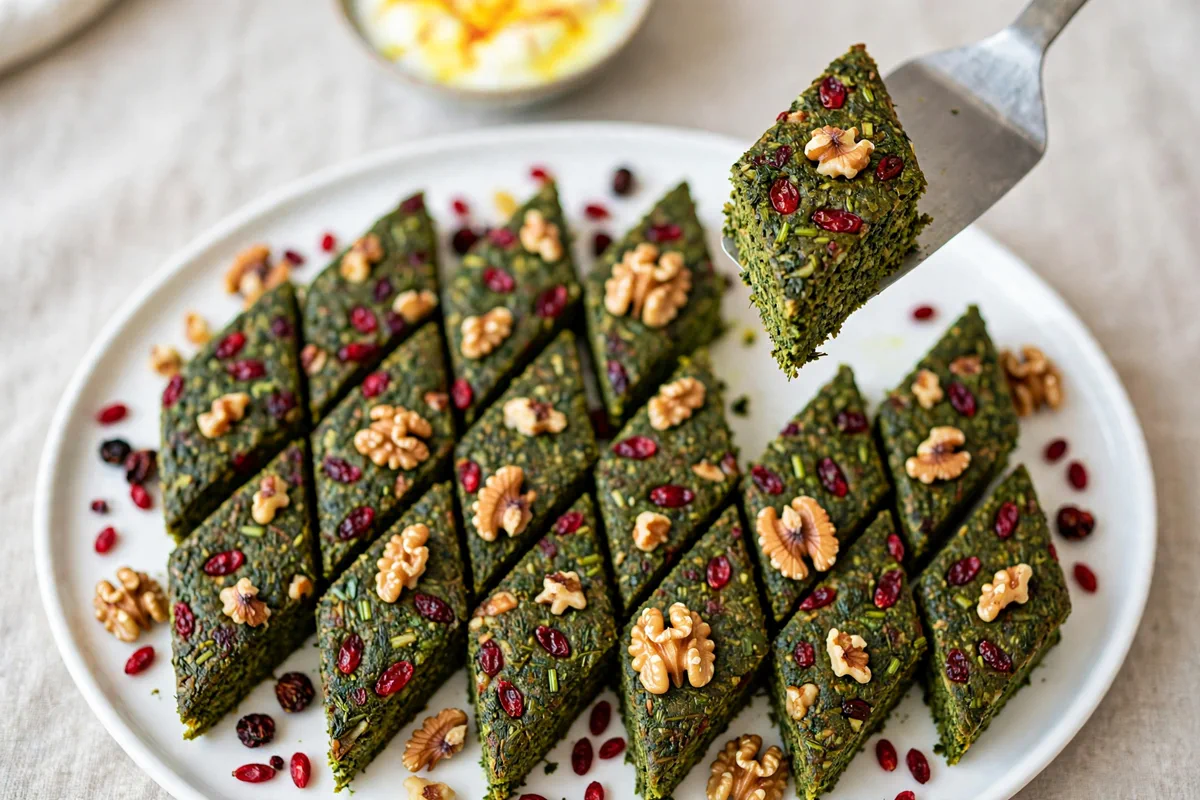
Kuku Sabzi (Persian Herb Frittata)

Sweet Potato Casserole With a Crunchy Pecan Streusel Top