🍽️
Prep time45 mins
Cook time12 mins
Ingredients13
baking
Eggnog Snickerdoodle Cookies
Published: Jan 15, 2025
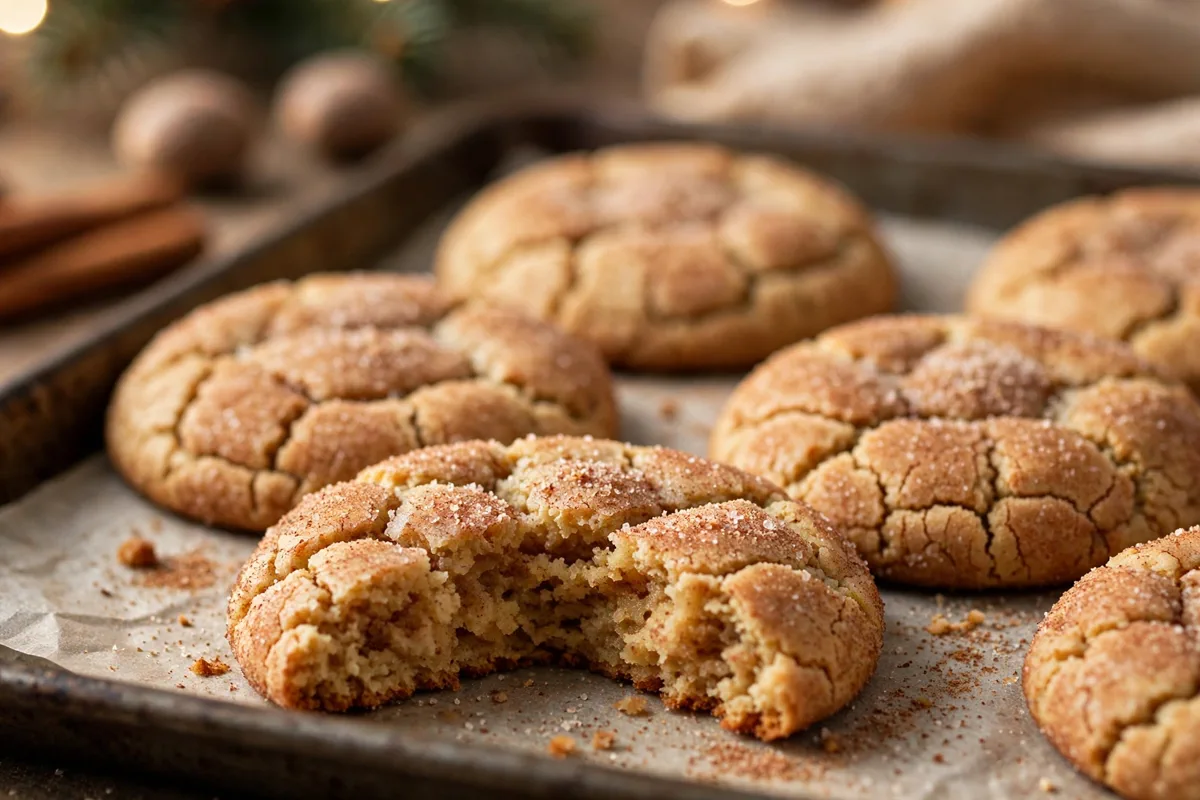
Eggnog snickerdoodle cookies with full-fat eggnog in the dough, nutmeg in the cinnamon-sugar coating, and thick crackled tops.
Eggnog snickerdoodle cookies with full-fat eggnog in the dough, nutmeg in the cinnamon-sugar coating, and thick crackled tops.
If you are looking for an ultra-satisfying, restaurant-quality meal that comes together with minimal effort, this Eggnog Snickerdoodle Cookies is about to become your new favorite. Everything is cooked to juicy, golden perfection with wholesome ingredients and incredible depth of flavor.
One simple tip!
Shake the eggnog carton before measuring. The spices settle to the bottom, so an unshaken pour gives you a weak first half and a spicy last half.
Step-by-Step Photos
Why You’ll Love This Recipe
Quick & EffortlessReady in just 57 minutes total with straightforward, foolproof prep.
Packed with Deep FlavorCarefully balanced with unsalted butter, granulated sugar, full-fat eggnog for maximum satisfaction.
Family & Crowd FriendlyMakes 24 generous servings that can be effortlessly doubled or scaled using our smart scaler.
Made From ScratchReal ingredients and straightforward home cooking, with no shortcuts on flavor.
Ingredients Notes & Variations
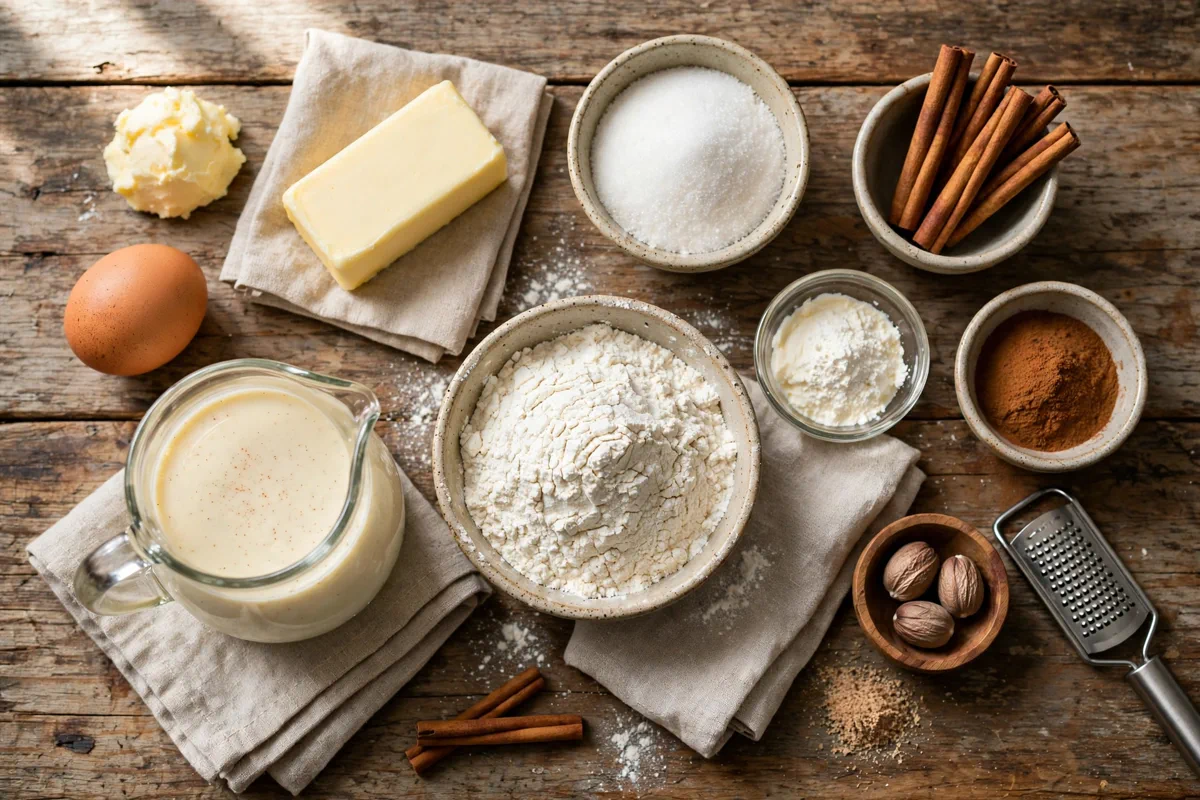
Here is an overview of what you will need for this recipe. Be sure to scroll down to the printable recipe card below for exact scaled measurements!
unsalted butter
1 cupsoftened to room temperature
granulated sugar
1.5 cupfull-fat eggnog
0.5 cupstore-bought or homemade, shaken well
large egg
1 pieceroom temperature
vanilla extract
1 tspall-purpose flour
2.75 cupspooned and levelled
cream of tartar
2 tspbaking soda
1 tspfine sea salt
0.5 tspground nutmeg
0.5 tspfor the dough
granulated sugar
0.25 cupfor the cinnamon-sugar coating
ground cinnamon
1.5 tspfor the coating
ground nutmeg
0.25 tspfor the coating
How to Make (Step-by-Step Overview)
Here is a quick summary of the preparation process. Detailed cooking temperatures and step timers are included in the recipe card below.
Whisk the flour, cream of tartar, baking soda, salt, and the half teaspoon of nutmeg together in a medium bowl until evenly mixed.
Beat the softened butter and the 1 1/2 cups of sugar in a large bowl on medium speed until pale and fluffy, about 3 minutes. Scrape the bowl halfway through.
Beat in the eggnog, egg, and vanilla on medium speed until the mixture looks smooth and slightly lighter in colour, about 1 minute.
Add the flour mixture in two parts on low speed, mixing just until the last streaks of flour disappear. Stop as soon as it comes together.
Cover the bowl and chill the dough in the fridge for 30 minutes. The dough should feel firm and scoopable, not sticky.
Heat the oven to 350°F and line two baking sheets with parchment paper.
Stir the coating sugar, cinnamon, and the quarter teaspoon of nutmeg together in a small shallow bowl.
Scoop the dough into balls of about 1 1/2 tablespoons each and roll each one in the cinnamon-sugar coating until fully covered.
Set the coated balls on the lined sheets, leaving about 2 inches between them so they have room to spread.
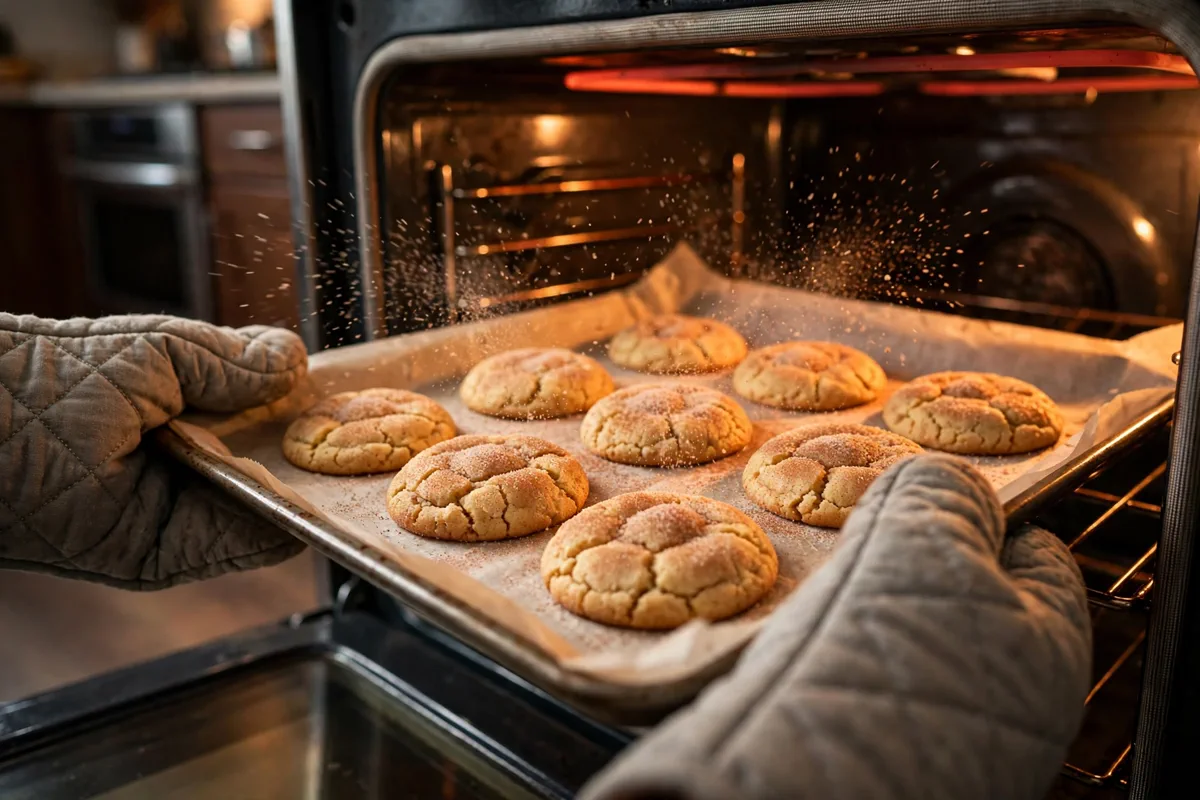
Bake one sheet at a time for 10 to 12 minutes, until the edges are set and the tops are crackled but the centres still look soft and slightly underdone.
Let the cookies cool on the baking sheet for 5 minutes so they firm up, then move them to a wire rack to cool completely.
Our Pro Tips for Success
- •Shake the eggnog carton before measuring. The spices settle to the bottom, so an unshaken pour gives you a weak first half and a spicy last half.
- •Use full-fat eggnog. Low-fat eggnog is thinner and makes the dough wetter, so the cookies spread more and taste less rich.
- •Do not skip the 30-minute chill. Cold dough spreads slowly, and slow spreading is what creates the crackled tops.
- •Take the cookies out while the centres still look soft. They finish cooking on the hot sheet during the 5-minute rest, and waiting until they look firm in the oven makes them dry.
- •Bake one sheet at a time on the middle rack. Two sheets at once bake unevenly, and scooping dough onto a hot sheet melts the butter before it reaches the oven.
Storage & Make-Ahead Instructions
Refrigerator:Store leftovers in an airtight container for up to 3 to 4 days.
Freezer:Freeze in freezer-safe containers or bags for up to 2 months. Thaw overnight in the fridge.
Reheating:Reheat gently in a 350°F oven or covered skillet with a splash of broth until heated through.
Interactive Kitchen Assistant Live Smart Scaler
Our Recipe Precision Calculators
Calculate exact roasting times, internal temperatures, brining ratios, and safe thaw windows.
2.5 lbs (1.13 kg)
Recommended Timing & Thermals
Est. Cook Time45 mins
Rest Period7 mins
Pull From Heat160°F (71°C)
Final Carryover165°F (74°C)
Insert meat thermometer into thickest center without touching bone for 100% juicy safety.
Eggnog snickerdoodles are classic snickerdoodle cookies made with full-fat eggnog in the dough instead of milk. The eggnog adds a custardy richness and a faint nutmeg warmth, and the cookies are rolled in cinnamon sugar spiked with extra nutmeg before baking. They come out thick, soft in the middle, with crackled tops and crisp edges.
If you already like snickerdoodles, this version is a small change with a clear payoff. The eggnog does two jobs at once. It replaces the small amount of liquid a snickerdoodle dough normally needs, and it carries its own flavour, so the finished cookie tastes like the holidays without needing a glaze or a frosting on top. Nothing about the method is fancy. The dough comes together in one bowl, chills for half an hour, and bakes in about eleven minutes a batch.
Why eggnog belongs in the dough
Snickerdoodles are a soft sugar cookie built on cream of tartar. The cream of tartar gives the cookie its gentle tang and its soft, almost pillowy bite. Eggnog fits that base well because it is already a sweet, spiced, dairy-rich liquid. A half cup is enough to flavour the whole batch without making the dough wet. Use full-fat eggnog here. The low-fat cartons are thinner and waterier, and the cookies come out less rich and a little more prone to spreading.
Shake the carton before you measure. Eggnog settles, and the spices sink to the bottom, so the first pour from an unshaken carton is mostly milk and the last pour is mostly spice. A good shake keeps the flavour even across the batch. If you have homemade eggnog in the fridge, that works too, as long as it is the cooked, custard-style kind and not a raw-egg version. Either way, measure it cold and pour it straight in. There is no need to warm it.
The nutmeg matters more than it looks on paper. Half a teaspoon goes into the dough and another quarter teaspoon goes into the coating. That second dose is what makes the cookies smell like eggnog before you even bite into them. Freshly grated nutmeg is stronger and cleaner tasting than the pre-ground jar, and if you have a whole nutmeg and a microplane, this is the recipe to use it on. Pre-ground is fine, but check the date on the jar. Nutmeg that has sat open for a year loses most of its scent.
The crackle comes from the chill
Snickerdoodle tops crackle when the outside of the cookie sets while the inside is still rising. The 30-minute chill is what makes that happen reliably. Cold dough hits the hot oven and spreads slowly, so the coated surface dries and cracks as the centre puffs up underneath. Warm dough spreads fast, and the tops stay smooth and flat instead.
Thirty minutes is the minimum that works. An hour is fine too, and the dough will keep in the fridge overnight if you cover it tightly. If you chill it overnight, let the bowl sit on the counter for about ten minutes before scooping, because the dough gets very firm and is hard to scoop straight from the fridge. The balls should hold their shape in your hand. If the dough sticks to your palms, it needs more time in the fridge, not more flour.
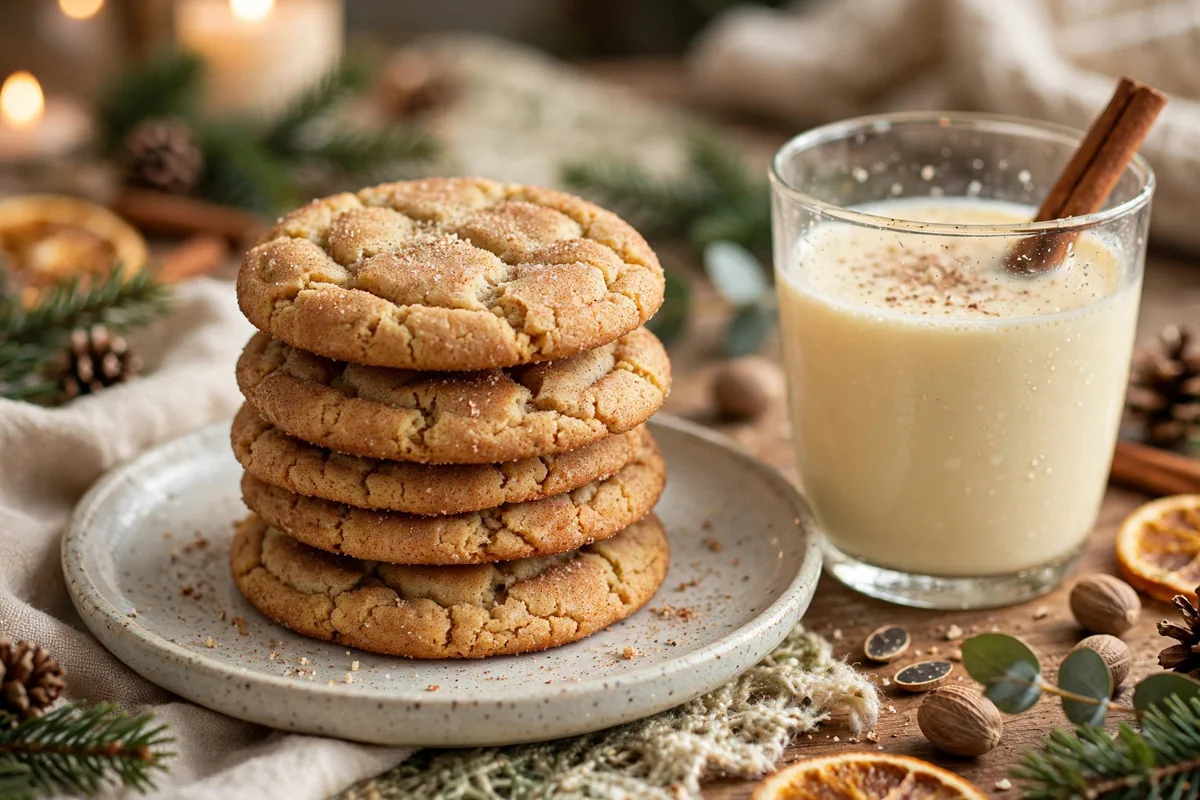
Roll the balls generously in the coating. The sugar layer is not just decoration. It melts slightly in the oven and forms a thin crisp shell that holds the crackle pattern. A light dusting gives you a pale cookie with faint lines. A thick, even coat gives you the deep crackled look in the photos. Press the ball gently into the sugar and roll it until no bare dough shows.
Baking: what to watch for
These cookies are done sooner than they look. At 10 to 12 minutes the edges will be set and the tops will be crackled, but the centres will still look soft and a little puffy. That is the right moment to take them out. They finish cooking on the hot baking sheet during the five-minute rest, and the centres settle into a soft, chewy texture. If you wait until the centres look firm in the oven, the cookies will be dry and crisp once they cool.
Oven temperature matters here because the cookies are small and the window between soft and overbaked is short. If your oven runs hot, check the first batch at 9 minutes. If it runs cool, the cookies may need the full 12. The first batch is your test batch. Note the time that gives you set edges and soft centres, then use that same time for the rest.
Bake one sheet at a time on the middle rack. Two sheets at once means the lower sheet gets more heat from below and the upper sheet gets less, so the batches come out uneven. If you only have one sheet, let it cool for a few minutes between batches and reline it with fresh parchment. Scooping dough onto a hot sheet melts the butter before the cookies reach the oven, and they spread thin.
The cookie tin test
These cookies were built for a cookie tin. They hold their shape, they do not crumble when stacked, and the cinnamon-sugar coating keeps them from sticking to each other if you layer them with parchment between the rows. They taste best on the day they are baked, when the edges are still slightly crisp and the centres are soft. By the second day the edges soften and the whole cookie turns uniformly chewy, which is still good, just different. If you are baking ahead for a party, bake them the day before and keep them in a sealed tin. The coating keeps its crunch for about a day, then it starts to absorb moisture from the cookie and softens.
If you want a stronger eggnog flavour, the place to add it is the coating, not the dough. A pinch more nutmeg in the sugar mix reads louder than extra eggnog in the dough, because the coating is the first thing your tongue meets. Do not add more than a quarter teaspoon extra, or the nutmeg turns bitter. Another option is a light dusting of nutmeg over the baked cookies while they are still warm, which gives a fresh spice note on top.
What goes wrong and how to fix it
Flat cookies are the most common problem, and the cause is almost always warm dough or warm butter. If the butter was too soft when you creamed it, or the dough skipped the chill, the cookies spread into thin discs. The fix is simple. Chill the shaped balls for 15 minutes before they go in the oven, even if the dough was already chilled. Cold balls spread less.
Tough cookies come from over-mixing after the flour goes in. Once the flour is added, mix on low and stop as soon as the streaks disappear. A few extra seconds of beating develops gluten, and gluten makes a cookie chewy in the wrong way, more like bread than a snickerdoodle. If the dough looks smooth and uniform, stop. It does not need another pass.
Pale tops with no crackle usually mean the coating was too thin or the oven was too cool. Roll the balls again in the sugar if the first coat looks patchy, and check the oven with a thermometer if you keep getting pale results. A 25-degree shortfall is enough to lose the crackle entirely. The cookies will still taste fine, but they will look plain.
Serving and storing
Serve these at room temperature, with coffee, tea, or a glass of cold milk. They are sweet enough on their own, so they do not need icing or a drizzle. If you are putting them on a dessert table, they pair well with something tart alongside, like cranberry bars or lemon cookies, because the spice and sugar in the snickerdoodles can feel heavy after a few bites of rich food.
Store the cooled cookies in an airtight container at room temperature for up to 5 days. Keep the container closed between servings, because the coating picks up moisture from the air and softens. Do not refrigerate baked cookies. The fridge dries them out and dulls the spice flavour. If you need to keep them longer, freeze them in a sealed bag for up to 3 months and thaw at room temperature for about an hour.
The dough freezes well too. Scoop and coat the balls, freeze them solid on a sheet, then move them to a freezer bag. Bake from frozen at the same temperature, adding 2 minutes to the time. This is the easiest way to have fresh cookies on short notice, and the crackle still forms because the dough goes into the oven cold.
Frequently Asked Questions
Yes, store-bought full-fat eggnog works well. Shake the carton before measuring so the spices are evenly mixed, and avoid low-fat eggnog, which is thinner and makes the cookies spread more.
You can, but the cookies will spread flatter and the tops will not crackle as much. The 30-minute chill slows the spread in the oven, which is what creates the thick, crackled look.
Easy Chicken Recipes • Official Card
Eggnog Snickerdoodle Cookies
☆☆☆☆☆0.0 (0 reviews)•Recipe by Cooking With Guru Editorial Team•Updated: Jan 15, 2025
Eggnog snickerdoodle cookies with full-fat eggnog in the dough, nutmeg in the cinnamon-sugar coating, and thick crackled tops.
Prep Time45 mins
Cook Time12 mins
Total Time57 mins
Adjust Servings:
24
Ingredients
Click to check off1 cup unsalted butter(softened to room temperature)
1 1/2 cups granulated sugar
1/2 cup full-fat eggnog(store-bought or homemade, shaken well)
1 piece large egg(room temperature)
1 tsp vanilla extract
2 3/4 cups all-purpose flour(spooned and levelled)
2 tsps cream of tartar
1 tsp baking soda
1/2 tsp fine sea salt
1/2 tsp ground nutmeg(for the dough)
1/4 cup granulated sugar(for the cinnamon-sugar coating)
1 1/2 tsps ground cinnamon(for the coating)
1/4 tsp ground nutmeg(for the coating)
Instructions
Step-by-Step0
0
0
0
0
0
CWG
Recipe Source
The Cooking With Guru Team
Our recipes are developed and checked by the Cooking With Guru team. Nutrition figures are estimates calculated from USDA data, and yields scale with the built-in portion tools so the recipe fits your kitchen.
More baking recipes to try!
🍽️
Turkish Menemen: One-Pan Eggs in Spicy Tomato Sauce
🍽️
High-Protein Cottage Cheese Egg Bake with Spinach
🍽️
Easy Chicken Congee Recipe with Crispy Garlic and Chili Oil
Comments & Questions (0)
Join the conversationNo comments yet!
Be the first to leave a comment or ask a question about Eggnog Snickerdoodle Cookies.