🍽️
Prep time10 mins
Cook time15 mins
Ingredients13
dinner
Shrimp Scampi Pasta
Published: Jan 15, 2025
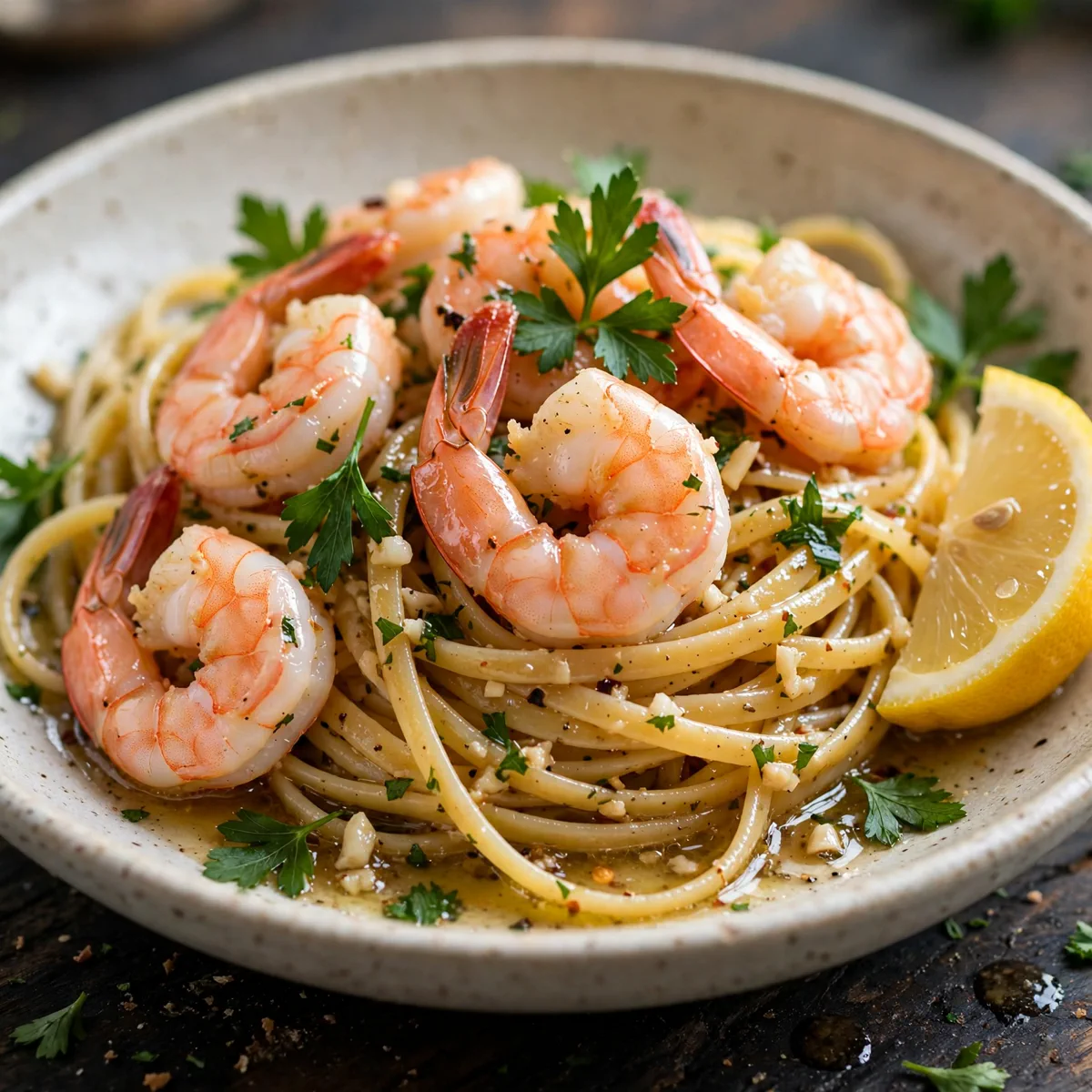
Garlic butter shrimp tossed with linguine, lemon and a splash of white wine — a 25-minute dinner that tastes like a night out.
Garlic butter shrimp tossed with linguine, lemon and a splash of white wine — a 25-minute dinner that tastes like a night out.
If you are looking for an ultra-satisfying, restaurant-quality meal that comes together with minimal effort, this Shrimp Scampi Pasta is about to become your new favorite. Everything is cooked to juicy, golden perfection with wholesome ingredients and incredible depth of flavor.
One simple tip!
Pull the shrimp when they curl into a loose C shape. A tight O means they are overcooked, and there is no way back from that.
Step-by-Step Photos
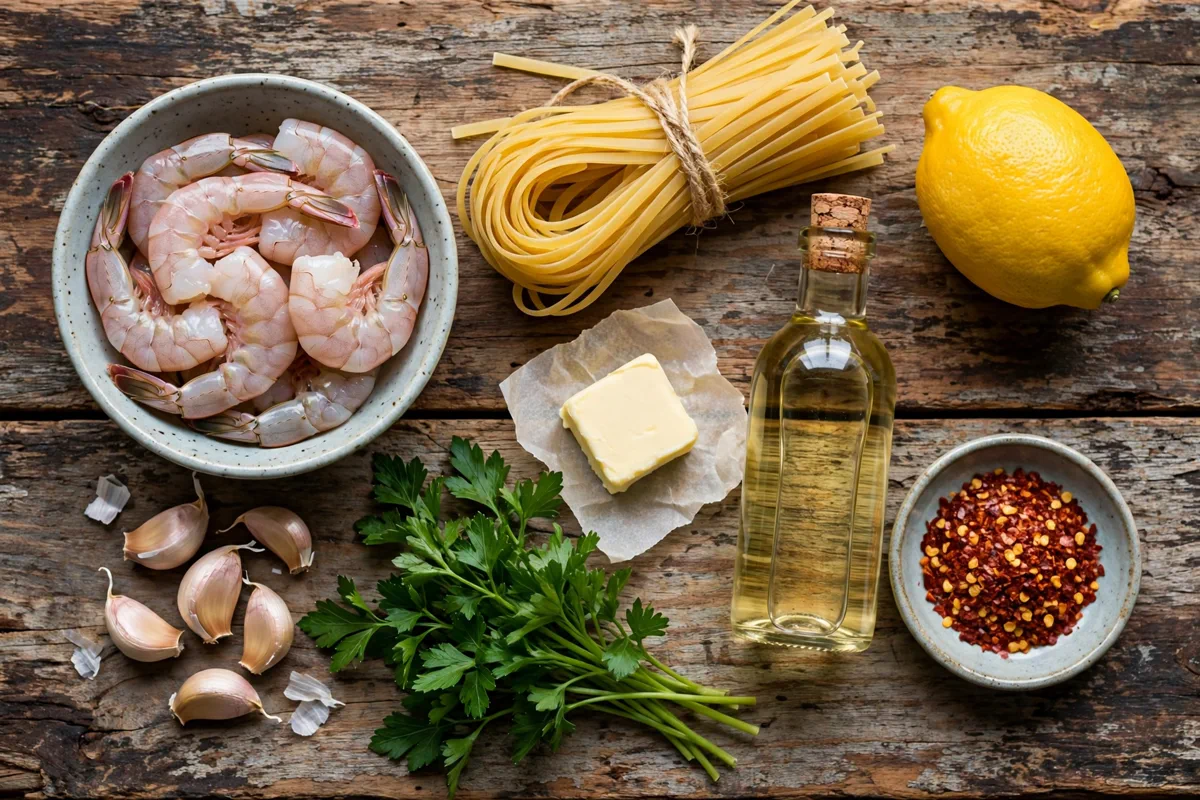
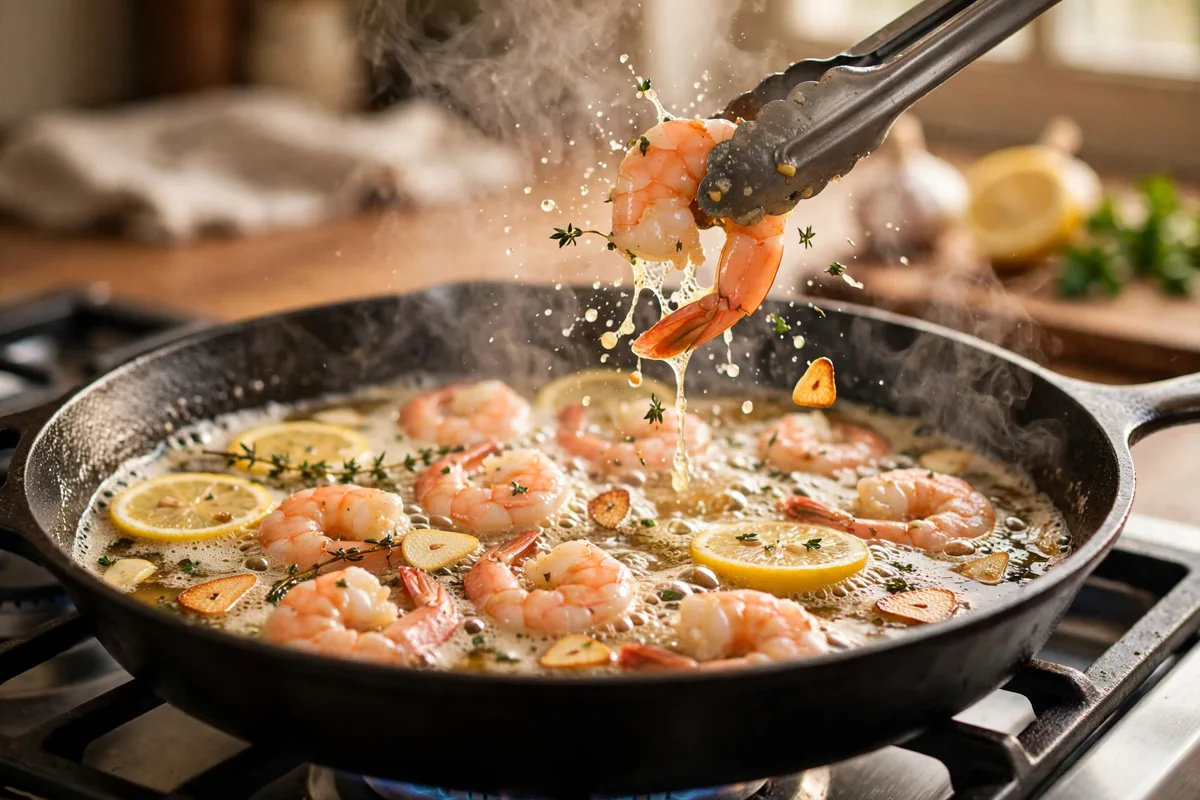
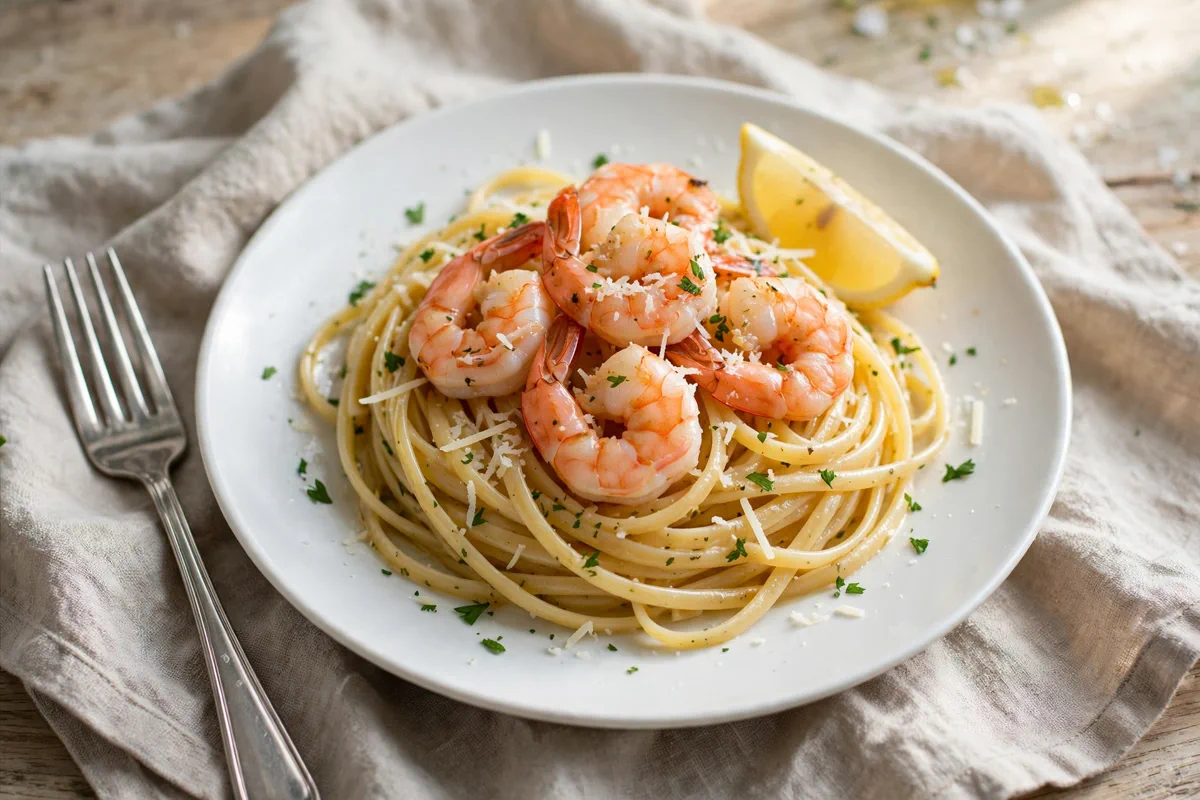
Why You’ll Love This Recipe
Quick & EffortlessReady in just 25 minutes total with straightforward, foolproof prep.
Packed with Deep FlavorCarefully balanced with linguine, large shrimp, peeled and deveined, unsalted butter for maximum satisfaction.
Family & Crowd FriendlyMakes 4 generous servings that can be effortlessly doubled or scaled using our smart scaler.
Made From ScratchReal ingredients and straightforward home cooking, with no shortcuts on flavor.
Ingredients Notes & Variations
Here is an overview of what you will need for this recipe. Be sure to scroll down to the printable recipe card below for exact scaled measurements!
linguine
12 ozspaghetti works too, but linguine holds the butter sauce better
large shrimp, peeled and deveined
1 lb16 to 20 per pound, tails removed, patted very dry
unsalted butter
4 tbspdivided, 2 tbsp for the shrimp and 2 tbsp for the sauce
olive oil
2 tbspkeeps the butter from browning too fast
garlic
6 piecethinly sliced, not minced
red pepper flakes
0.5 tspa gentle warmth, not real heat
dry white wine
0.5 cuppinot grigio or sauvignon blanc, something you would drink
lemon
1 piecejuiced, about 3 tbsp, plus the zest
lemon zest
1 tspfrom the same lemon, added at the end
kosher salt
1 tsphalf for the shrimp, half to taste at the end
black pepper
0.5 tspfreshly ground
fresh flat-leaf parsley
0.25 cupchopped, added at the end
grated parmesan cheese
0.25 cupfor serving, optional
How to Make (Step-by-Step Overview)
Here is a quick summary of the preparation process. Detailed cooking temperatures and step timers are included in the recipe card below.
Bring a large pot of salted water to a boil. Add the linguine and cook until 1 minute short of the package time, so it finishes in the sauce.
While the pasta cooks, pat the shrimp dry with paper towels and season with half the salt and all the black pepper.
Heat 2 tbsp of the butter and all the olive oil in a large skillet over medium-high heat until the foam settles.
Add the shrimp in a single layer and cook about 90 seconds per side, until pink with a light golden edge. Move them to a plate right away.
Lower the heat to medium. Add the sliced garlic and red pepper flakes to the same skillet and stir for about 30 seconds, until the garlic turns pale gold. Pull the pan off the heat for a few seconds if the garlic starts to darken.
Pour in the white wine and let it bubble for 1 minute, scraping up the browned bits from the bottom of the pan.
Before draining the pasta, scoop out 1 cup of the starchy pasta water and set it aside. Drain the linguine.
Add the lemon juice and the remaining 2 tbsp butter to the skillet a tablespoon at a time, swirling until the butter melts into the wine.
Add the drained linguine to the skillet and toss with tongs, splashing in pasta water a little at a time until the sauce turns glossy and coats the strands.
Return the shrimp to the pan with the lemon zest and parsley. Toss for 30 seconds, just until the shrimp are warm through. Taste and add the remaining salt if needed.
Serve right away in warm bowls, with the grated parmesan on the table.
Our Pro Tips for Success
- •Pull the shrimp when they curl into a loose C shape. A tight O means they are overcooked, and there is no way back from that.
- •Save a full cup of pasta water before you drain. You will use about half of it, and the rest is what saves the dish if the pasta tightens up while you plate.
- •Slice the garlic thin instead of mincing it. Minced garlic burns in seconds; sliced garlic softens into sweet pale gold and gives you time.
- •Add the lemon zest at the very end. Its bright flavor fades fast with heat, so it belongs in the pan for the last 30 seconds only.
- •Cook the linguine 1 minute short of the package time. It finishes in the sauce, and that last minute is when the pasta actually absorbs the garlic butter.
Storage & Make-Ahead Instructions
Refrigerator:Store leftovers in an airtight container for up to 3 to 4 days.
Freezer:Freeze in freezer-safe containers or bags for up to 2 months. Thaw overnight in the fridge.
Reheating:Reheat gently in a 350°F oven or covered skillet with a splash of broth until heated through.
Interactive Kitchen Assistant Live Smart Scaler
Our Recipe Precision Calculators
Calculate exact roasting times, internal temperatures, brining ratios, and safe thaw windows.
2.5 lbs (1.13 kg)
Recommended Timing & Thermals
Est. Cook Time45 mins
Rest Period7 mins
Pull From Heat160°F (71°C)
Final Carryover165°F (74°C)
Insert meat thermometer into thickest center without touching bone for 100% juicy safety.
Shrimp scampi pasta is linguine tossed with shrimp cooked in garlic butter, finished with lemon juice, a splash of dry white wine, and a handful of parsley. The sauce is not a heavy cream sauce. It is butter, wine, and starchy pasta water shaken together until it coats every strand, and the shrimp stay pink and tender because they spend about two minutes in the pan.
The whole thing takes 25 minutes, and most of that is waiting for the pasta water to boil. It is a Tuesday-night dinner that looks like a restaurant order, which is exactly why it has lasted so long. The trick is timing: the shrimp cook fast, the sauce comes together faster, and the pasta needs to land in the pan while both are still hot.
Why the order of the pan matters
Scampi goes wrong in one predictable way. The shrimp sit in the pan too long while everything else catches up, and by the time the pasta is drained they have curled into tight little rubber bands. Cooking the shrimp first, pulling them out, and then building the sauce in the same pan fixes that. The shrimp go back in at the very end for 30 seconds, just long enough to warm through.
The second thing that matters is the pasta water. Linguine releases starch as it cooks, and a ladle of that cloudy water is what turns melted butter and wine into a sauce that clings instead of pooling at the bottom of the bowl. Save a full cup before you drain. You will use about half of it, and the rest is insurance if the pasta tightens up while you are plating.
Picking the shrimp
Buy large shrimp, peeled and deveined, with the tails removed. Large means about 16 to 20 per pound, and that size matters here. Small shrimp overcook in the time it takes to blink, and they disappear into the pasta. Large shrimp stay visible, stay juicy, and give you a little margin.
Frozen shrimp are fine, and honestly they are what most of us have. Thaw them in a colander under cold running water for about 5 minutes, then pat them very dry with paper towels. Dry shrimp brown. Wet shrimp steam, and steamed shrimp never pick up that light golden edge that makes the dish look like it came from a kitchen that knows what it is doing.
Season the shrimp with salt and pepper right before they hit the pan, not an hour ahead. Salt left on shrimp draws out moisture, and you want that moisture inside the shrimp, not on the cutting board.
The garlic butter sauce, step by step
Start with butter and olive oil together in a large skillet over medium-high heat. The oil keeps the butter from browning too fast, and the butter is where the flavor lives. When the foam settles, the shrimp go in a single layer. Give them about 90 seconds a side. You are looking for pink with a light golden edge, and the moment the flesh turns opaque all the way through, they come out.
Turn the heat down to medium and add the sliced garlic and the red pepper flakes to the same pan. Garlic sliced thin, not minced, because minced garlic burns in seconds and sliced garlic softens into sweet, pale gold. Stir it for about 30 seconds. If the garlic starts to darken past gold, pull the pan off the heat for a few seconds. Brown garlic tastes bitter, and there is no fixing it once it turns.
Pour in the white wine and let it bubble for a minute. It will hiss and steam, and the browned bits on the bottom of the pan will loosen. That is the flavor. Then add the lemon juice and the butter, a tablespoon at a time, swirling the pan so the butter melts into the wine instead of sitting on top of it.
Bringing the pasta and the sauce together
The linguine should be a minute short of done when it goes into the pan. It finishes cooking in the sauce, and that last minute is when the pasta drinks up the garlic butter instead of just wearing it. Toss with tongs, add splashes of the reserved pasta water, and watch the sauce turn glossy. It should coat the strands, not run off them.
Put the shrimp back in, add the lemon zest and the parsley, and toss for 30 seconds. The zest goes in at the end because its bright flavor fades with heat, and the parsley is there for color and a fresh bite, not decoration. Taste and add salt. Lemon and salt are a team here: a pinch more salt makes the lemon taste brighter instead of sharper.
Serve it straight from the pan into warm bowls, with parmesan on the table for anyone who wants it. Parmesan is not traditional in scampi, and some people will tell you it does not belong. Put it on the table anyway and let people decide. The dish is good either way.
What to serve with it
This pasta is rich from the butter, so it likes something plain and green next to it. A simple salad with lemon and olive oil, or a pile of steamed green beans, is enough. Crusty bread is the other obvious partner, because there will be sauce left in the bowl and nobody wants to leave it there.
- Crusty bread for the leftover garlic butter sauce
- A simple green salad with lemon and olive oil
- Steamed green beans or asparagus, lightly salted
- Chilled white wine, the same bottle you cooked with
Mistakes worth avoiding
The most common one is overcooking the shrimp, and it happens because the shrimp look done before they are done. They keep cooking off the heat, so pull them when they are just pink and still have a little give. The second mistake is skipping the pasta water. Without it, the butter and wine stay separate and the sauce slides to the bottom of the bowl. The third is garlic that goes past gold. If your garlic burns, start the sauce again. It costs two minutes and saves the whole pan.
How to tell the shrimp are done
A cooked shrimp curls into a loose C shape. A shrimp curled into a tight O is overcooked. That is the whole test. You do not need a thermometer, and you do not need to cut one open.
Frequently Asked Questions
Yes. Replace the white wine with the same amount of low-sodium chicken broth and add an extra squeeze of lemon at the end. The sauce will be a little less bright, but the garlic butter still carries the dish.
Cook them for about 90 seconds per side, then take them out of the pan while you build the sauce. They go back in for the last 30 seconds only. Shrimp keep cooking off the heat, so pull them when they are just pink and curled into a loose C shape.
Easy Chicken Recipes • Official Card
Shrimp Scampi Pasta
☆☆☆☆☆0.0 (0 reviews)•Recipe by Cooking With Guru Editorial Team•Updated: Jan 15, 2025
Garlic butter shrimp tossed with linguine, lemon and a splash of white wine — a 25-minute dinner that tastes like a night out.
Prep Time10 mins
Cook Time15 mins
Total Time25 mins
Adjust Servings:
4
Ingredients
Click to check off12 oz linguine(spaghetti works too, but linguine holds the butter sauce better)
1 lb large shrimp, peeled and deveined(16 to 20 per pound, tails removed, patted very dry)
4 tbsps unsalted butter(divided, 2 tbsp for the shrimp and 2 tbsp for the sauce)
2 tbsps olive oil(keeps the butter from browning too fast)
6 piece garlic(thinly sliced, not minced)
1/2 tsp red pepper flakes(a gentle warmth, not real heat)
1/2 cup dry white wine(pinot grigio or sauvignon blanc, something you would drink)
1 piece lemon(juiced, about 3 tbsp, plus the zest)
1 tsp lemon zest(from the same lemon, added at the end)
1 tsp kosher salt(half for the shrimp, half to taste at the end)
1/2 tsp black pepper(freshly ground)
1/4 cup fresh flat-leaf parsley(chopped, added at the end)
1/4 cup grated parmesan cheese(for serving, optional)
Instructions
Step-by-Step0
0
0
0
0
CWG
Recipe Source
The Cooking With Guru Team
Our recipes are developed and checked by the Cooking With Guru team. Nutrition figures are estimates calculated from USDA data, and yields scale with the built-in portion tools so the recipe fits your kitchen.
More dinner recipes to try!
🍽️
Turkish Menemen: One-Pan Eggs in Spicy Tomato Sauce
🍽️
High-Protein Cottage Cheese Egg Bake with Spinach
🍽️
Easy Chicken Congee Recipe with Crispy Garlic and Chili Oil
Comments & Questions (0)
Join the conversationNo comments yet!
Be the first to leave a comment or ask a question about Shrimp Scampi Pasta.